
SEX SELLS: 10 films that redefined erotic cinema
The Night Porter (1957)
Erotic cinema has never been a stable category. It moves restlessly between art and exploitation, provocation and psychology, fantasy and politics. At times it has flourished in European art houses; at others, in grindhouse theatres, television movies, or the margins of genre production. The films gathered here chart how eroticism on screen has been shaped by shifting cultural anxieties: post-1968 liberation, 1970s sexual modernity, 1980s moral conservatism, the aesthetics of Japanese pink cinema, and the 21st-century interrogation of pornography itself.
What links these works is not uniform explicitness but a commitment to exploring sexuality as structure: as narrative engine, as psychological terrain, and as a battleground for power. Some were controversial upon release. Some were dismissed as exploitation before later critical reappraisal. Others embed sexuality inside unexpected genres (e.g., thriller, fantasy, satire) exposing how desire mutates when filtered through industrial constraints and audience expectation.
Together they form a loose map of erotic cinema’s evolution: from soft-focus European erotic dramas to confrontational art-house confessionals and contemporary examinations of sexual labour.
Emmanuelle (1974)
Just Jaeckin

One of the most commercially successful erotic films of the 1970s, Emmanuelle became emblematic of a wave of French softcore cinema that circulated internationally in the wake of sexual liberalisation. Starring Sylvia Kristel as a diplomat’s wife exploring extramarital relationships in Bangkok, the film combined glossy cinematography with a tone of languid self-discovery.
Unlike exploitation cinema’s urgency, Emmanuelle trades in atmosphere: soft lighting, exoticised locales, and an emphasis on sensuality over aggression. Its popularity spawned sequels and established an enduring franchise, cementing its place as a cultural marker of post-1968 European erotic chic.
Bilbao (1978)
Bigas Luna

Bigas Luna’s debut feature announced a filmmaker preoccupied with erotic obsession and voyeurism. Bilbao centres on a young man who stalks and imprisons a sex worker, constructing a fantasy relationship that collapses into psychological disturbance.
Emerging during Spain’s post-Franco cultural transition, the film reflects a society renegotiating its relationship to repression and desire. Luna’s stylised framing and emphasis on voyeuristic perspective foreground cinema’s complicity in objectification, making Bilbao less a conventional erotic drama than a study in fetishism and control.
The Night Porter (1974)
Liliana Cavani
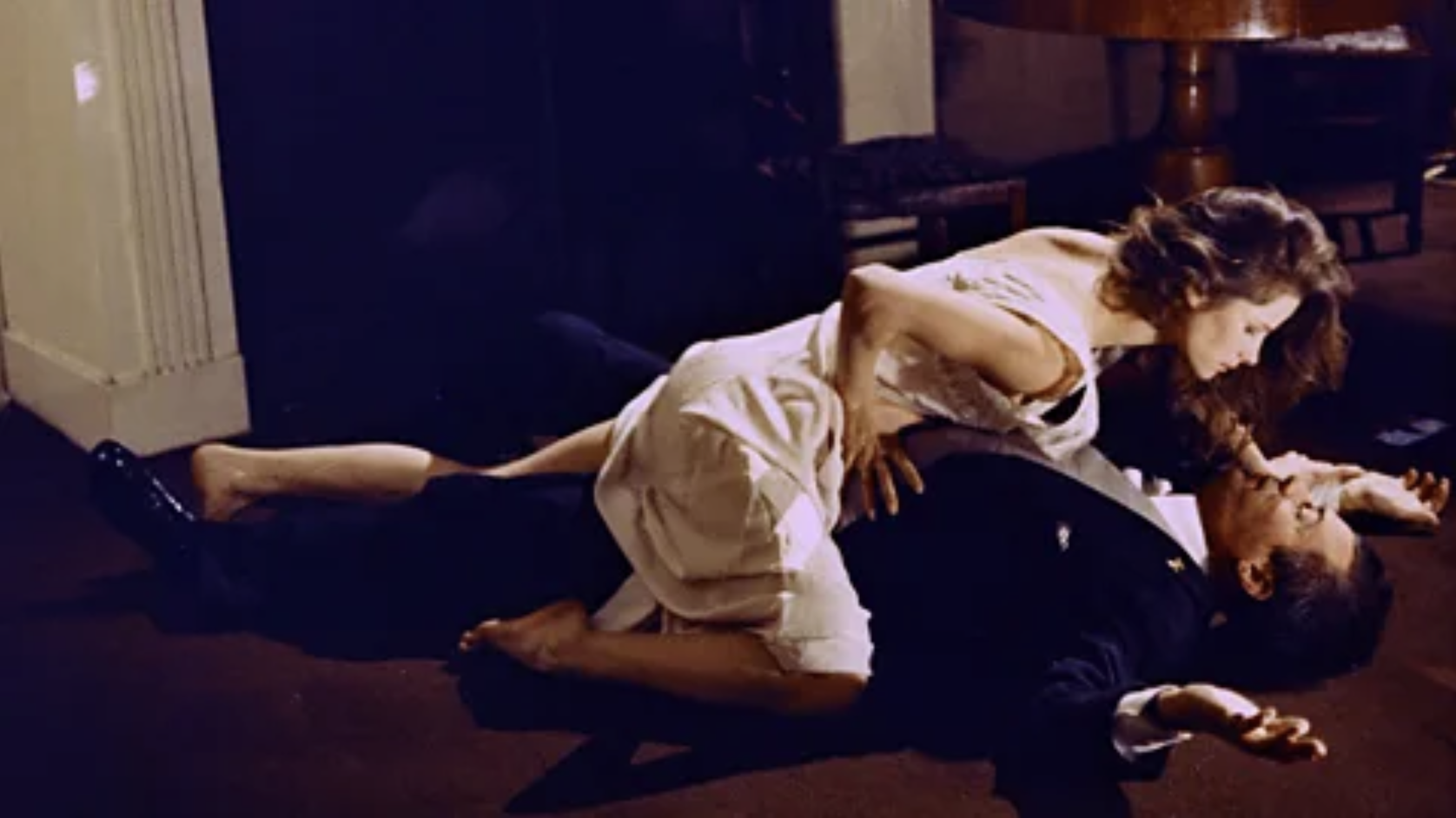
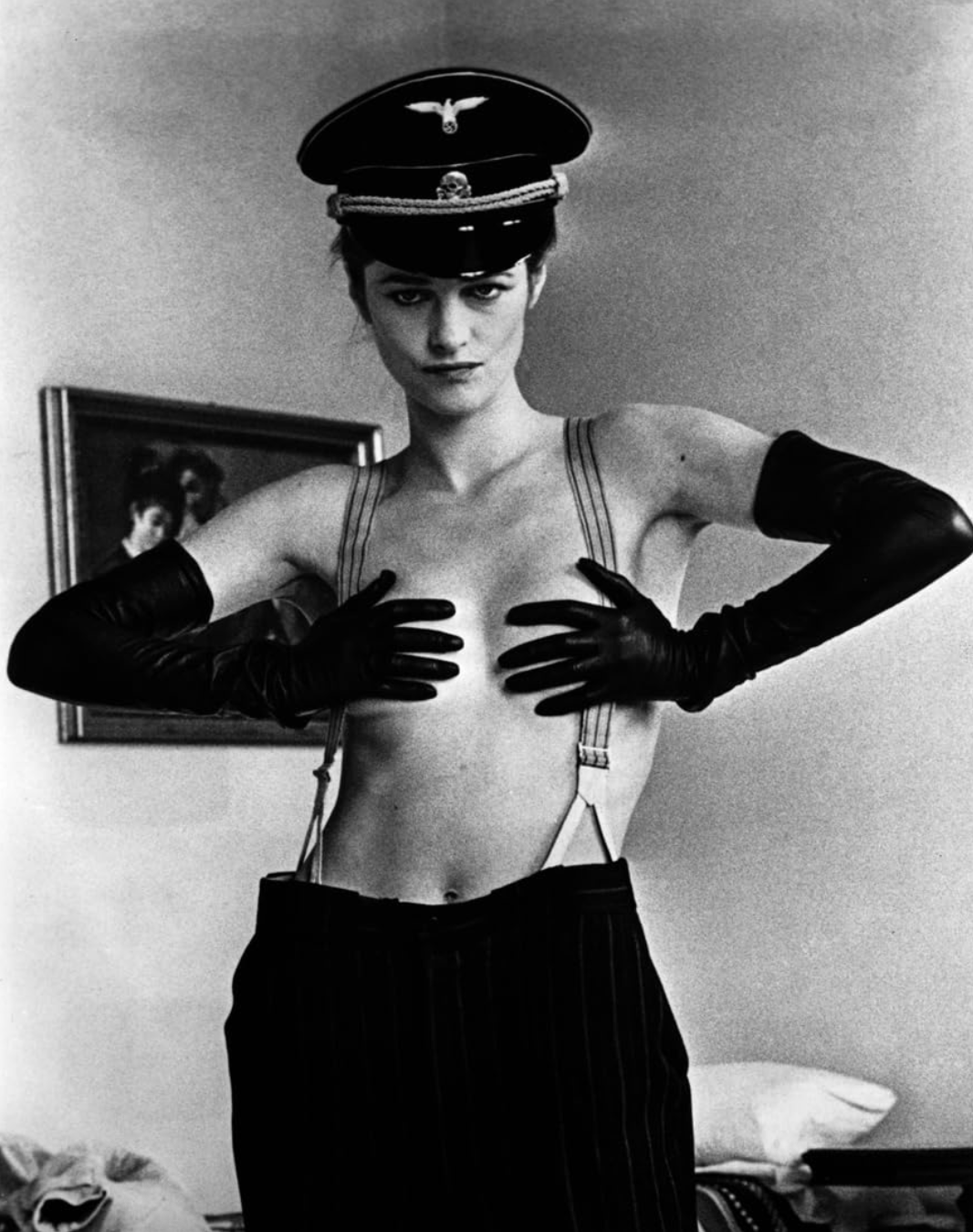
Few films in erotic cinema remain as contentious as Cavani’s The Night Porter. Set in post-war Vienna, it follows the rekindled sadomasochistic relationship between a former SS officer and a concentration camp survivor.
The film sparked intense debate for its fusion of Holocaust memory with sexual power dynamics. Its austere aesthetic and emphasis on ritualised domination place it closer to psychological drama than erotic spectacle, yet its imagery became iconic. In confronting the intersection of trauma, complicity and desire, Cavani pushed erotic cinema into ethically fraught terrain.
Crimes of Passion (1984)
Ken Russell
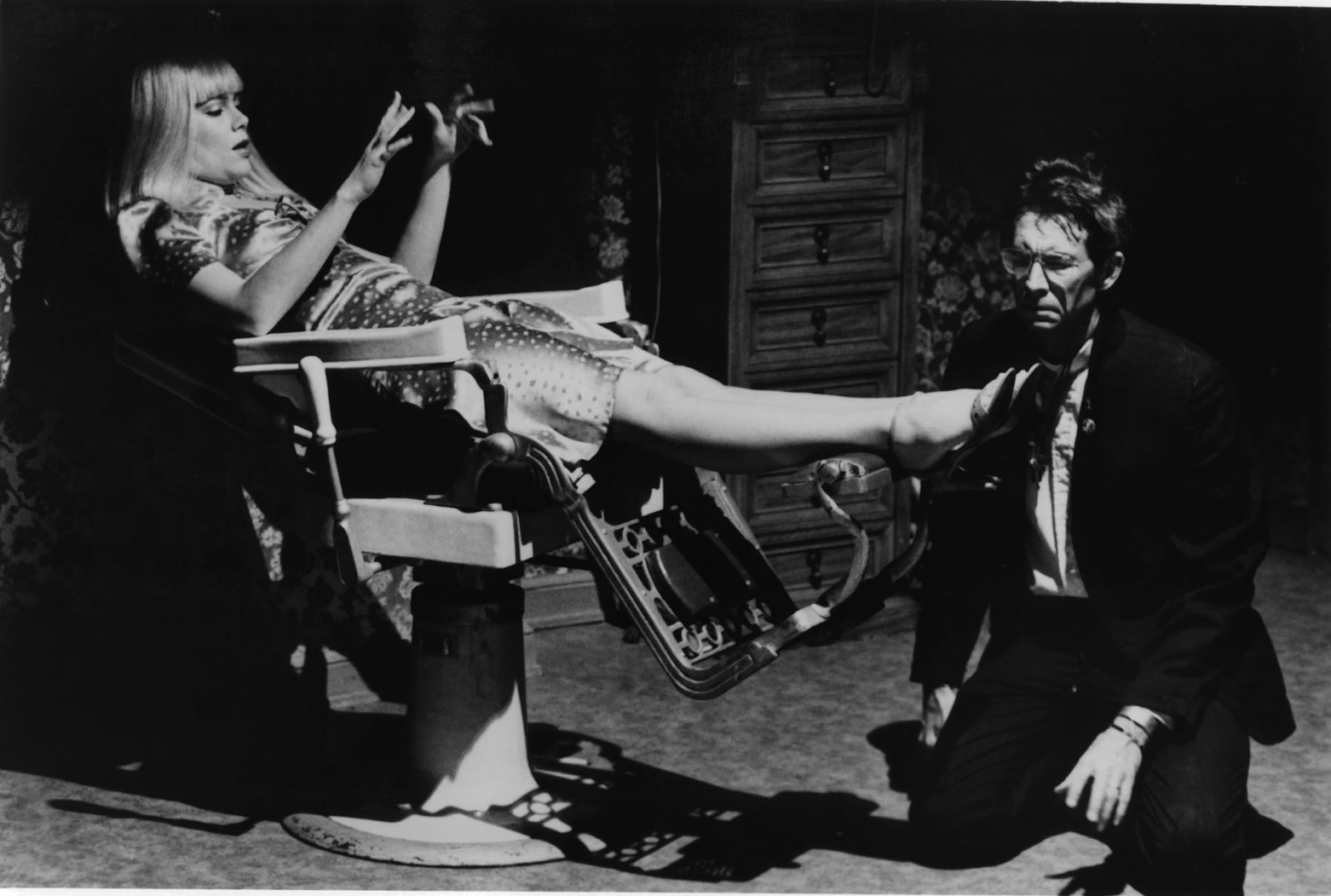
Ken Russell’s American erotic thriller stars Kathleen Turner as a fashion designer who leads a double life as a sex worker. Blending lurid colour schemes with religious symbolism and noir-inflected paranoia, Russell situates eroticism within 1980s urban anxiety.
The film oscillates between satire and thriller, culminating in confrontations with repression embodied by a morally obsessed street preacher, Anthony Perkins. Crimes of Passion reflects the decade’s tensions between sexual expression and conservative backlash, staging erotic identity as both liberation and danger.
Bondage Ecstasy (1989)
Hisayasu Satō
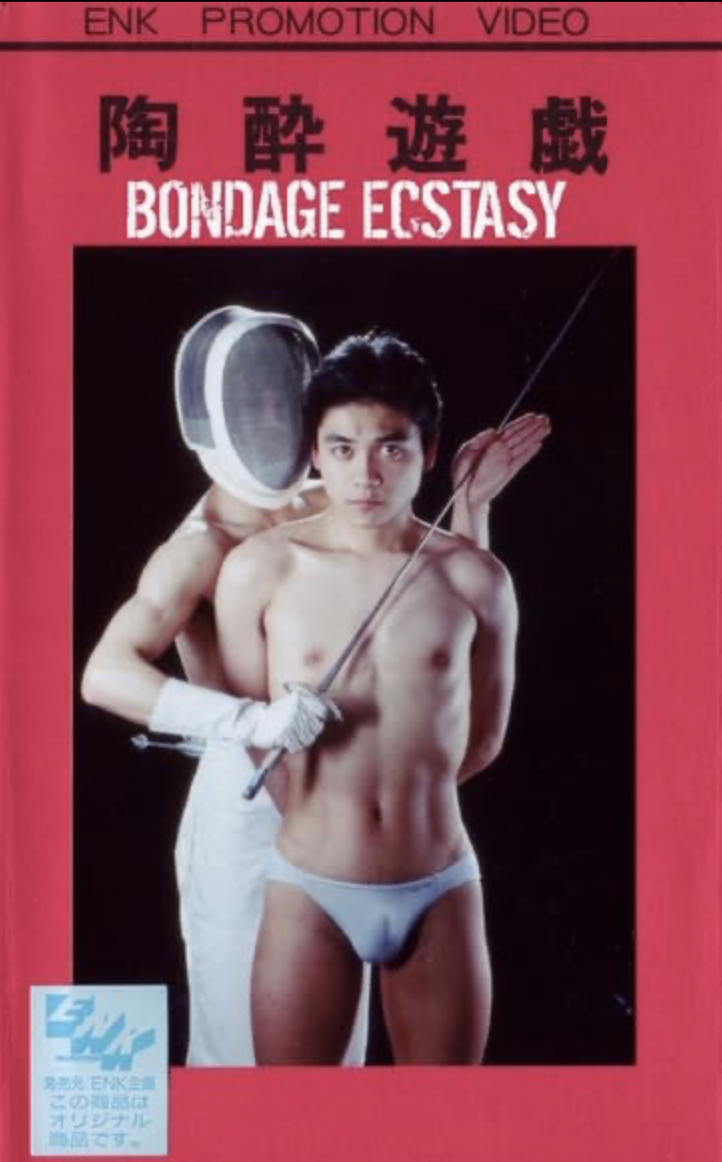
Part of Japan’s pink film tradition (low-budget theatrical features often centred on explicit sexuality), Bondage Ecstasy pushes the form toward surreal psychological horror. The narrative follows a salaryman humiliated by colleagues who retreats into increasingly bizarre sexual fantasies, including identifying with an insect in order to exact revenge through sadomasochistic scenarios.
Satō’s work in the 1980s and 1990s expanded pink cinema beyond simple eroticism into experimental and disturbing territory. Here, sexual imagery becomes an expression of alienation and social resentment, reflecting both genre convention and auteurist provocation.
Nymphomaniac (2013)
Lars von Trier

Structured as a confessional narrative, Nymphomaniac traces the sexual life of Joe, who recounts her experiences of compulsion and desire to a stranger who shelters her. Released in two volumes, the film integrates explicit imagery with intellectual digressions on art, mathematics and morality.
Von Trier situates eroticism within a broader meditation on shame and self-definition, testing the boundary between pornography and art cinema. Its formal ambition and polarising reception underline how contemporary auteurs continue to wrestle with sexuality’s cinematic limits.
Fat Girl (2001)
Catherine Breillat

Breillat’s uncompromising portrait of adolescent sexuality eschews glamour in favour of discomfort. Following two sisters on holiday, Fat Girl confronts romantic fantasy and sexual initiation with blunt realism.
Rather than titillation, Breillat offers a critique of how young women internalise narratives about desirability and love. The film’s controversial reception and censorship debates reflect its refusal to soften the disjunction between expectation and experience.
Pleasure (2021)
Ninja Thyberg

Thyberg’s drama follows a Swedish woman pursuing success in the Los Angeles porn industry. Developed from a 2013 short film, Pleasure examines the structures and hierarchies of adult filmmaking, foregrounding labour, consent negotiations and ambition.
By situating erotic performance within an industrial framework, the film reframes pornography as work, precarious, competitive and emotionally demanding, positioning erotic cinema within contemporary debates about agency and exploitation.
Analife (1998)
Kenji Aida

Kenji Aida’s Analife belongs to Japan’s late-1990s pink film landscape. Like many entries in the genre, it combines explicit sexual content with elements of drama and psychological extremity. Pink cinema’s hybrid identity, part exploitation, part experimental training ground for directors, allowed filmmakers to explore taboo subjects within tight budgets and rapid production schedules.
Though less internationally known than Satō’s work, Aida’s film participates in a tradition that blurred the line between commercial eroticism and underground experimentation.
Life-Size “Grandezza Naturale” (1974)
Luis García Berlanga
Michel, a middle-aged dentist trapped in a deteriorating marriage, drifts through habitual infidelity and emotional detachment. His alienation culminates in an obsession with a life-sized female mannequin, onto which he projects erotic fantasy and domestic stability.
Berlanga approaches the premise with cool restraint. The mannequin becomes a symbol of total control: desire without resistance, intimacy without reciprocity, exposing a quiet and deeply modern loneliness.
CURATED BY MARTA ESPINOSA
WORDS BY SEUNGHEE RYU