
GETTING MEAN WITH BOY HARSHER
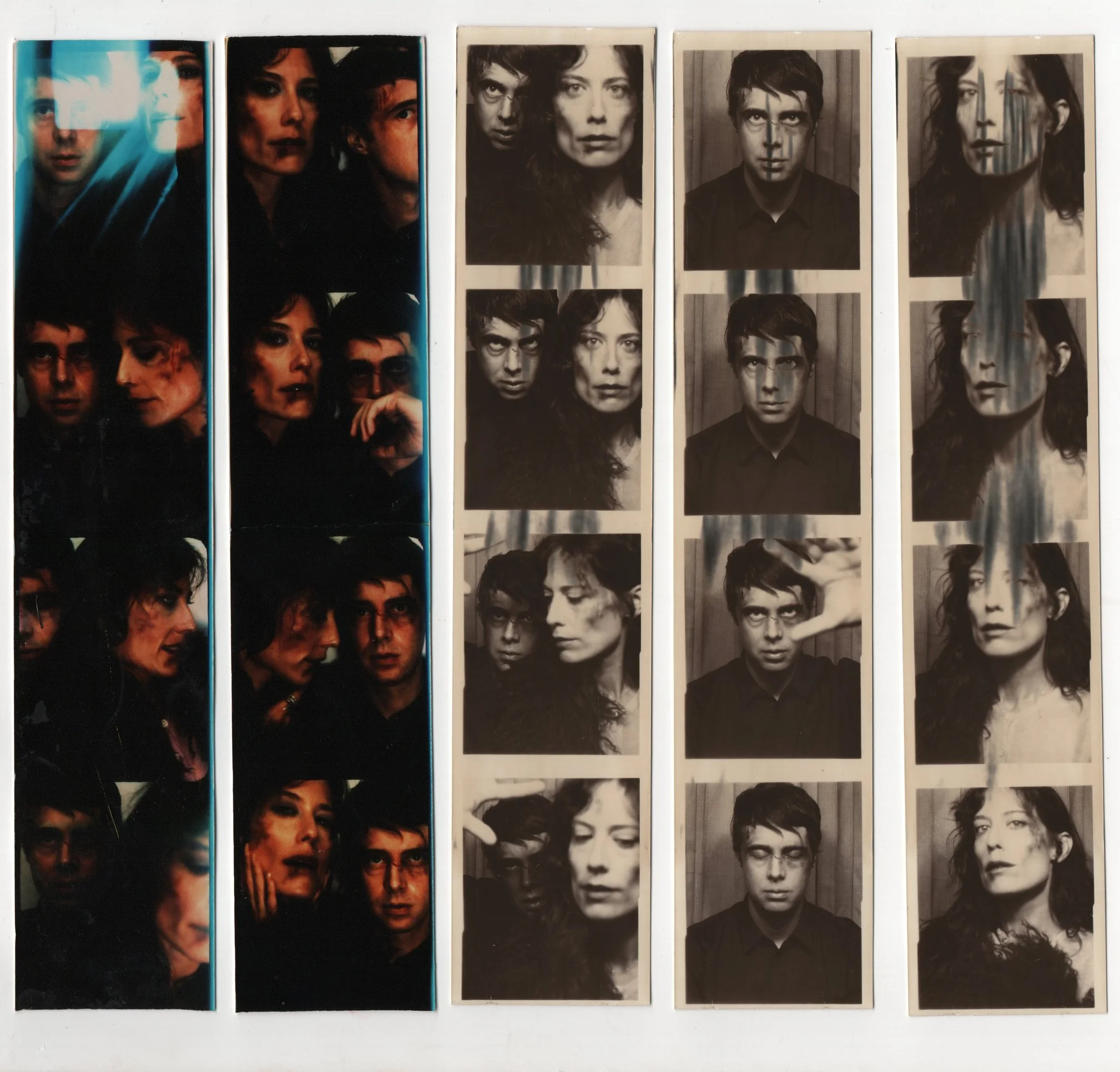
Boy Harsher have always known how to make darkness dance. Since emerging from the underground with their cold synths, haunting vocals, and distinctly twisted take on desire, the duo have built a world that stretches far beyond the dancefloor. Now, with GET MEAN and their upcoming film The Lonely Woman, Jae Matthews and Augustus Muller continue to push that world into new territory. We caught up with the duo to talk creative instincts, the changing meaning of pain, and what comes next for Boy Harsher.
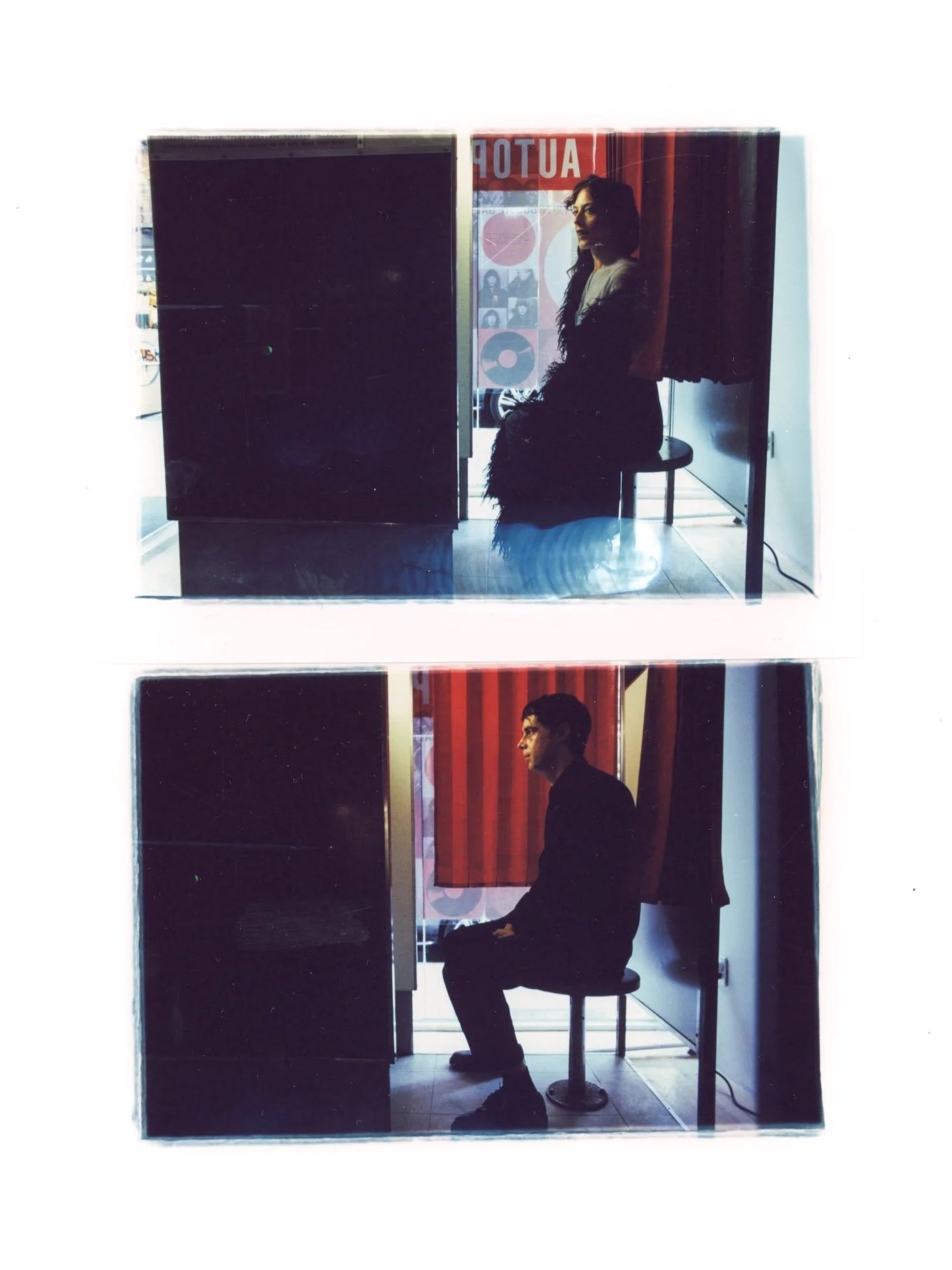
GATA: Boy Harsher began with the two of you creating imaginary soundtracks for films that didn’t exist. What first drew you to the darker side of things, and what did you want those imaginary worlds to feel like?
Augustus: The icon we first related to was a dark room with a television on. “The image is snow” Jae would say. I think we were both interested in finding the perverse in ordinary situations.
Jae: I wanted to describe my desire, which at the time was cast in the foggy heat of Georgia. Like my body was moving around gasping for breath, attention, touch—it felt so sinister.

GATA: Boy Harsher has developed a very recognisable sound over the years, balancing something mechanical and electronic with something deeply human and emotional. How did that balance develop between the two of you?
Augustus: We’ve always had the same recipe: Analog synths, drum machines, and Jae voice. It’s expanded over the years, but the focus was always to keep it sincere and honest.
Jae: I am an emotional person.
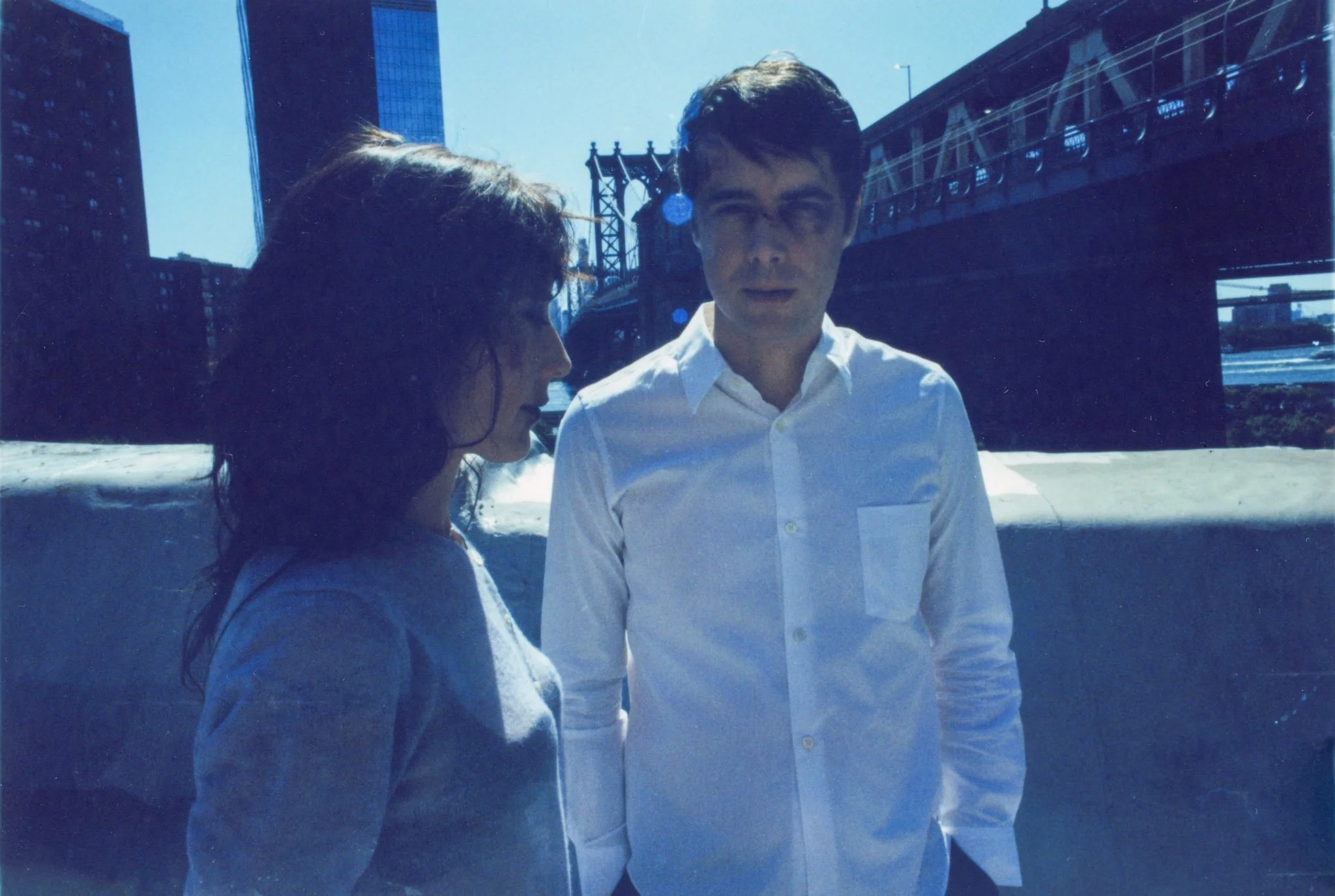
GATA: Your audience found you through a very underground, almost accidental ecosystem, with ‘Pain’ spreading through a fan-uploaded cassette on YouTube. What do you think people recognised in Boy Harsher so early on?
Augustus: I’m not really sure to this day. If I were to guess, I would say the simplicity, both in the music and imagery. It's easy to relate to. I also think the bright right xerox cover had something to do with it.
Jae: So many people came to our music through that upload—the magic of early YouTube algorithm. They’ve said that they thought we were a forgotten band from the 1980s—which was probably part of the allure, discovering something forgotten that gets to be yours.
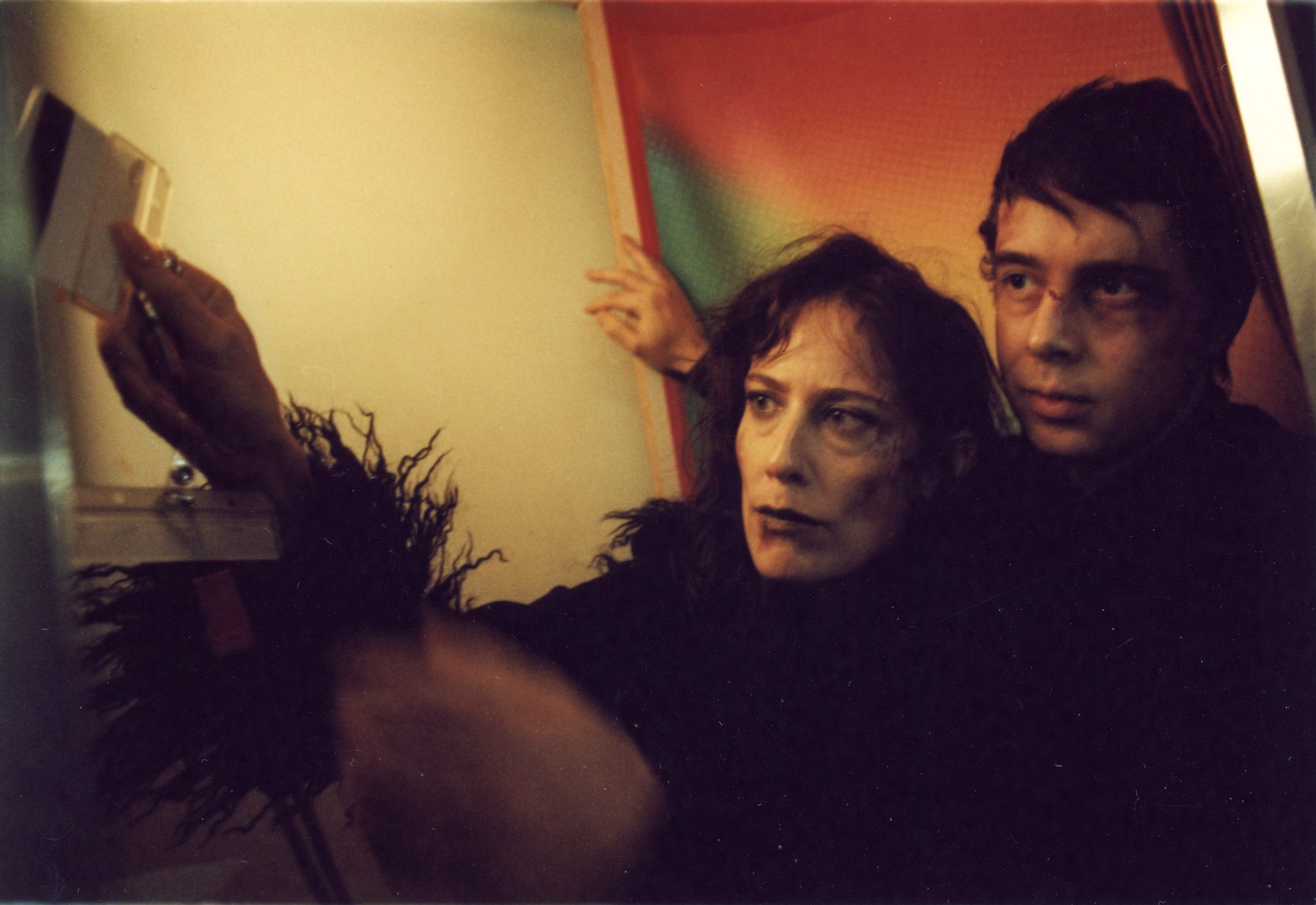
GATA: You’ve been making music together for more than a decade. What does each of you bring into the creative process that the other person might not naturally think of?
Augustus: I’m inspired by the abstract and surreal ideas Jae brings. She comes up with these very visceral and unexpected images and scenarios. I can be a little too practical and obvious sometimes. She pushes me into new realms.
Jae: Gus is very mechanical. He treats everything like a synthesizer that he can program: my voice, a dog barking, his rain stick. I don’t have that capacity, I feel loose most of the time. But it’s good—it means he wants to finish everything he starts.
GATA: Darkness has always been central to Boy Harsher, but has the meaning of that darkness ever changed as your lives have changed. When you listen back to your earlier work now, does it feel like you’re expressing the same darkness, or something fundamentally different?
Augustus: For instance, the word Pain meant something much more naive when we were younger. We’ve been through so much and our understanding of the word is much more nuanced now. I listen to our old music and it's fearless and strong, with GET MEAN we add a layer of sadness to that.
Jae: When we started making music we were kids … Gus is right, we’ve been through so much over the past eleven plus years that the context of pain is so different. Back then Pain was rejection or unmitigated desire, lust, now after several deaths and the big breakup, Pain is an indescribable darkness.
GATA: GET MEAN was created in the aftermath of a breakup, while the two of you were still making music together. Did that period change the way you approached the creative process?
Jae: Yes, we mostly worked alone - very far from one another.
GATA: GET MEAN feels particularly interested in transformation, both emotionally and sonically. Were you trying to push or change anything about Boy Harsher when you made the record?
Jae: Honestly I was just trying to make music that gave me hope. I needed to breathe.
GATA: You’ve described ‘Jeans’ as your attempt to make your own version of ‘Addicted to Love,’ complete with latex and cattle prods. What interested you about taking such an iconic image of desire and pushing it somewhere darker and stranger?
Augustus: This one came easy. It’s a visual I saw early when writing the song. I love latex, I love line dancing. I wanted to take something light and pervert it.
GATA: That tension between something seductive and something slightly unsettling appears throughout Boy Harsher. Is that contrast something you actively look for when you’re creating, or it a coincidence?
Augustus: We have a lot of fun doing that.
Jae: It might just be who we are?
GATA: Boy Harsher has always felt like a world as much as a band, with its own visual language, characters and atmosphere. How much of that world exists before the music, and how much is discovered through making it?
Augustus: We met when we were both going to film school. We both made thesis films and believe we folded the characters from them into our music.
Jae: It’s true, we’ve had these characters for a long time who we develop through our music and more recently through film. It’s simply the same place.
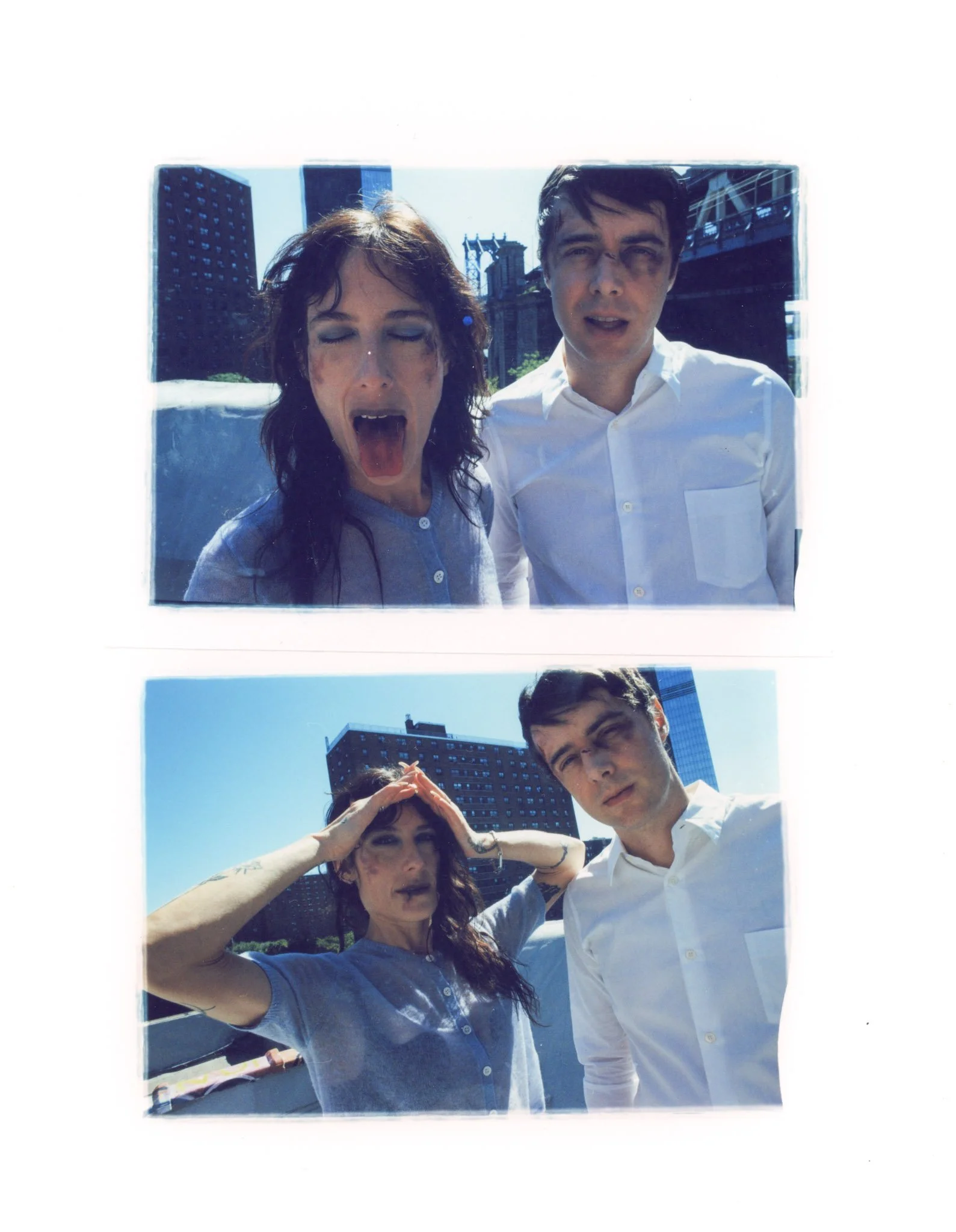
GATA: Boy Harsher has developed a strong following across different underground scenes around the world. Are there particular places or scenes where you feel the audience understands the project in a way that surprises you?
Augustus: What's amazed me is we’ve played all over the world and we always find an audience that seems to understand us. People love to ask what country is the best, but I think what’s most astonishing is that, for example, Talinn, Detroit, and Guadalajara bring the same energy and passion.
Jae: It’s a blessing. I can’t wait to keep exploring + experiencing transference with more audiences. (Japan?)
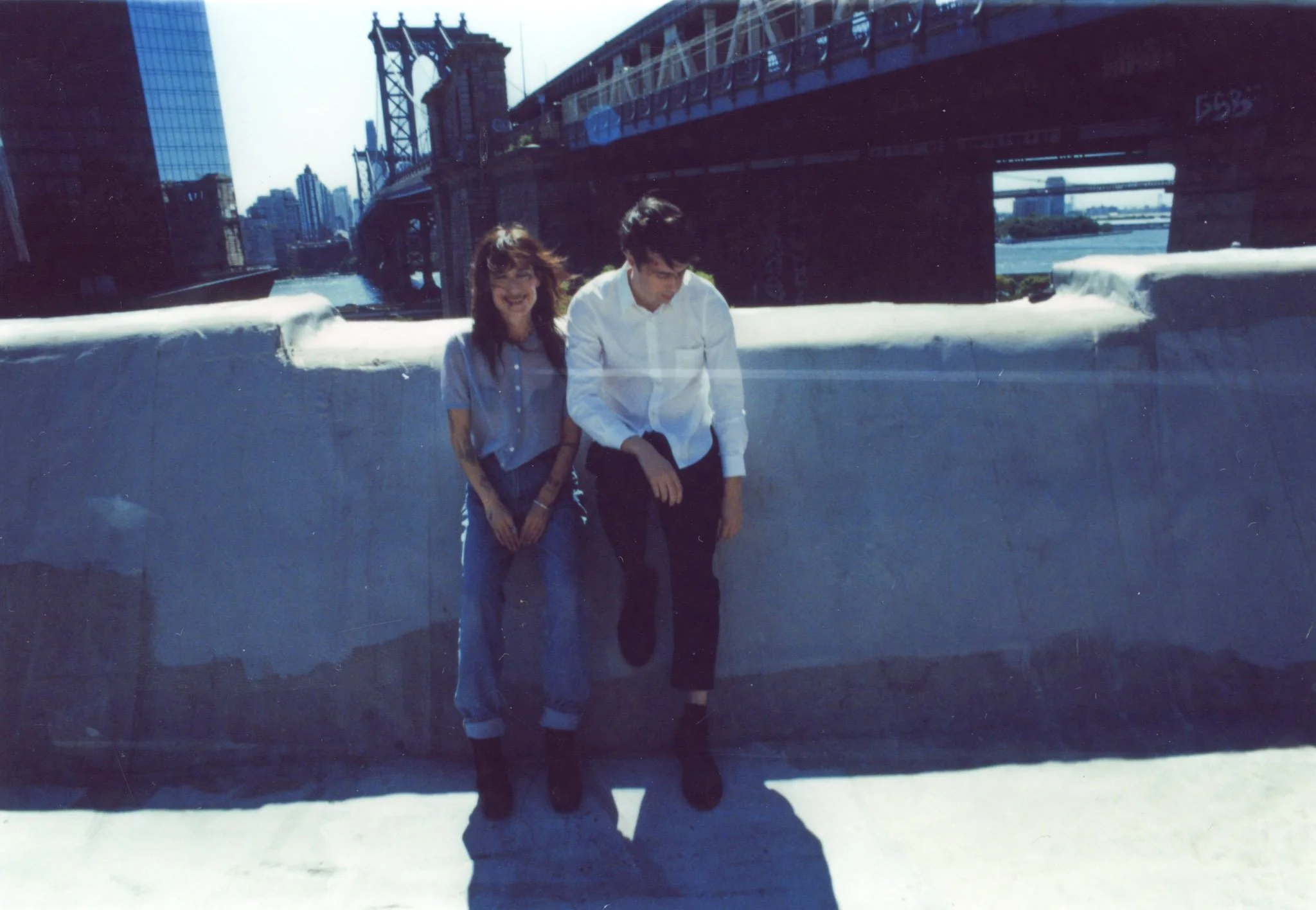
GATA: After GET MEAN and The Lonely Woman, Boy Harsher seems to be expanding beyond the boundaries of what a music project can be. What are you interested in exploring now that you couldn’t have explored when you first started?
Augustus: I just want to keep focusing on making albums and films for the rest of my life.
Jae: I can’t wait to create an installation, accompanied by printed matter…. a book or screenplay or something. Maybe in Marfa?