
Romancing the Dark: Naya Kotko
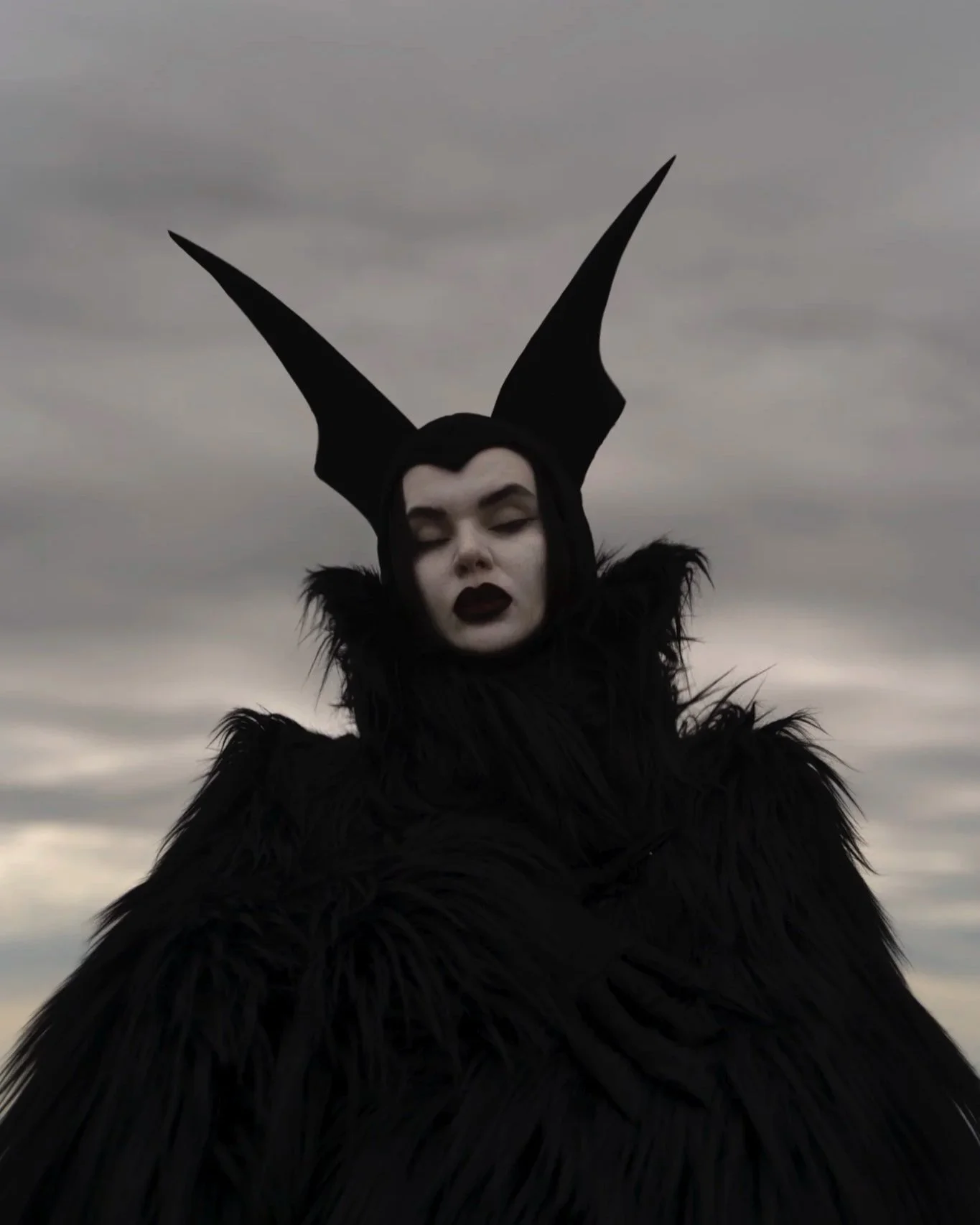
“I think I feel the calmest in the shadows.”
Naya Kotko [@kot___ko] exists somewhere between a shadow and a spell. An artist shaped by tradition, yet untethered by it, she moves fluidly between worlds: one rooted in classical training, the other built from instinct, intuition, and the quiet pull of darker aesthetics. Her images feel less like photographs and more like fragments of a parallel reality, where gothic femininity, myth, and memory blur into something both intimate and otherworldly.
Raised in a lineage of artists and drawn early to subcultures orbiting cosplay, Visual Kei, and the beautifully strange, Naya’s visual language was never going to be conventional. What began as documentation evolved into transformation. Today, her work captures women as presences, suspended between vulnerability and power, softness and edge.
There’s a cinematic stillness to her universe, but also a sense of tension, like something is about to unfold. Maybe that’s where her magic lies: not in what is shown, but in what lingers. GATA stepped into Naya’s world, in the shadows where she calls home.
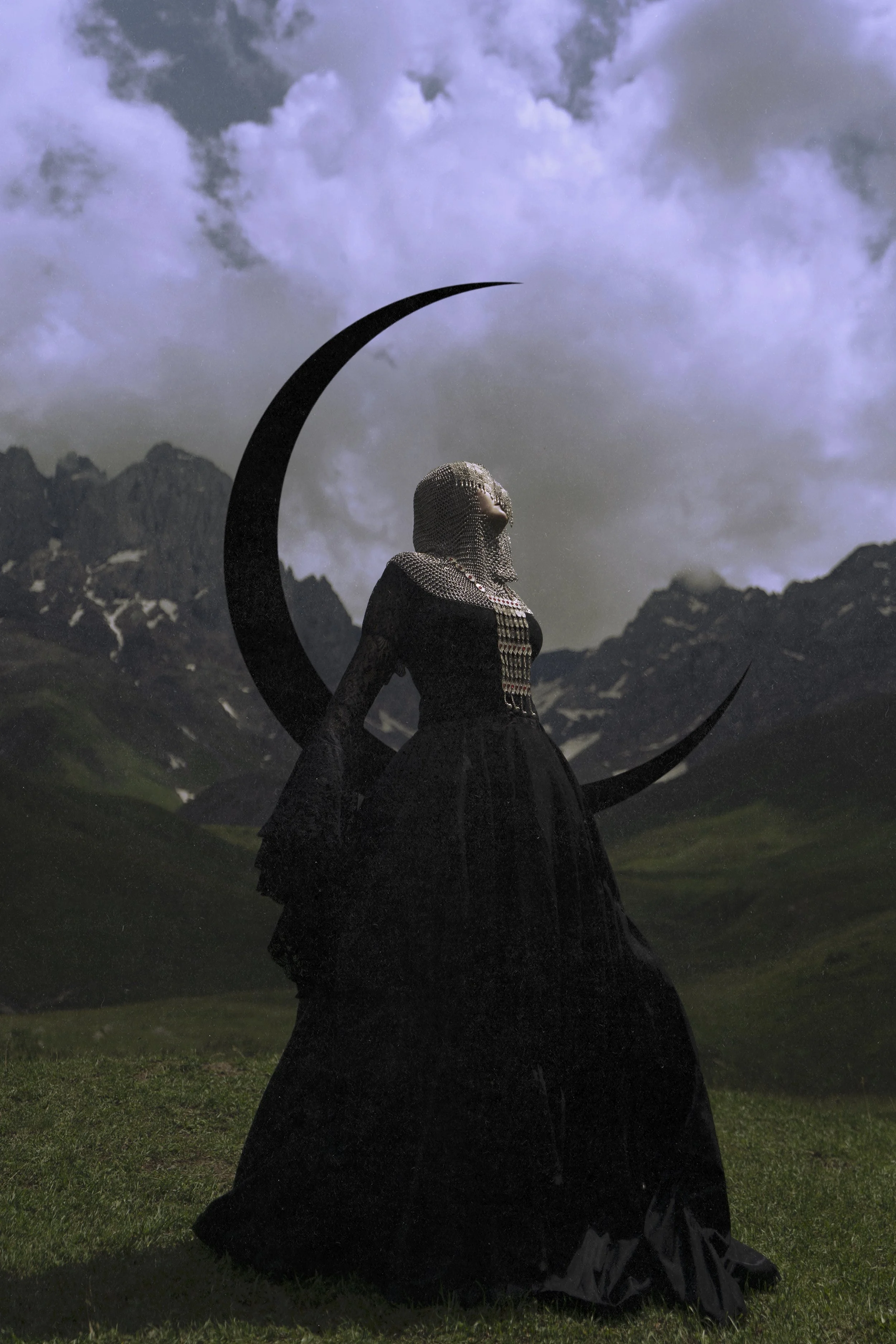
GATA: When did you first understand that photography would become your language?
NAYA: I am an artist by training and also the granddaughter of an artist, so I grew up surrounded by a creative environment. Throughout my life, I’ve explored many different ways of expressing myself. I started with photography, shooting cosplay, motorcycles, and artistic projects, often in a documentary-style approach. At the time, it was more of a hobby and a complement to my art education. A turning point came when I realized I was deeply burned out. I felt like I could no longer pick up a brush or pencil and return to traditional art; years of education had taken a heavy toll on me as an artist and creator. That’s when I returned to my first passion: photography. I realized it is the most natural and comfortable way for me to express my creativity.
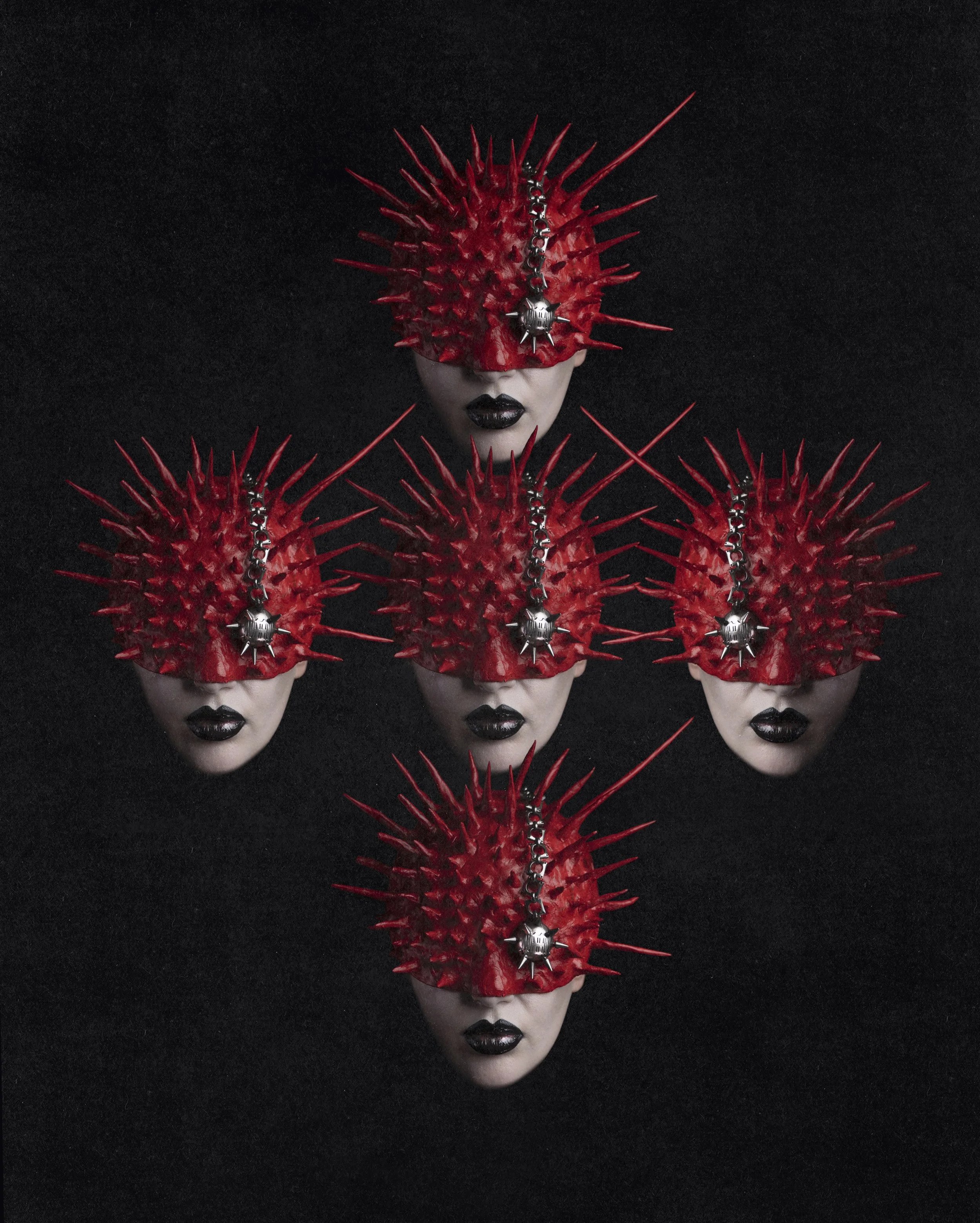
GATA: Many of your images portray powerful, almost archetypal feminine figures. What does femininity mean to you today?
NAYA: For me, femininity is a constant struggle with yourself, with your doubts, and with the world around you. It is both a weakness and a strength at the same time. It’s those moments when you cry, yet still find the strength to stand up and keep going.
GATA: What were you like as a child? How did your passion for witches begin?
NAYA: As a child, I grew up surrounded by artists and other creative people. My grandfather had a large workshop where he restored paintings and icons. For me, it was a magical world full of discoveries. I often put on small performances and plays, and I loved assembling costumes from scraps of fabric and my grandmother’s old clothes. I guess you could say I was a very creative child. In my teenage years, I became that “strange” girl who was drawn to the unusual. I wandered through cemeteries, read fantasy stories, watched anime, listened to J-rock and gothic music, and got into Visual Kei and cosplay. At school, I was the only goth girl. All of this shaped my taste and my love for everything dark and witches, too, of course. I changed as I grew older, but the essence remained the same: the little goth girl simply grew up.
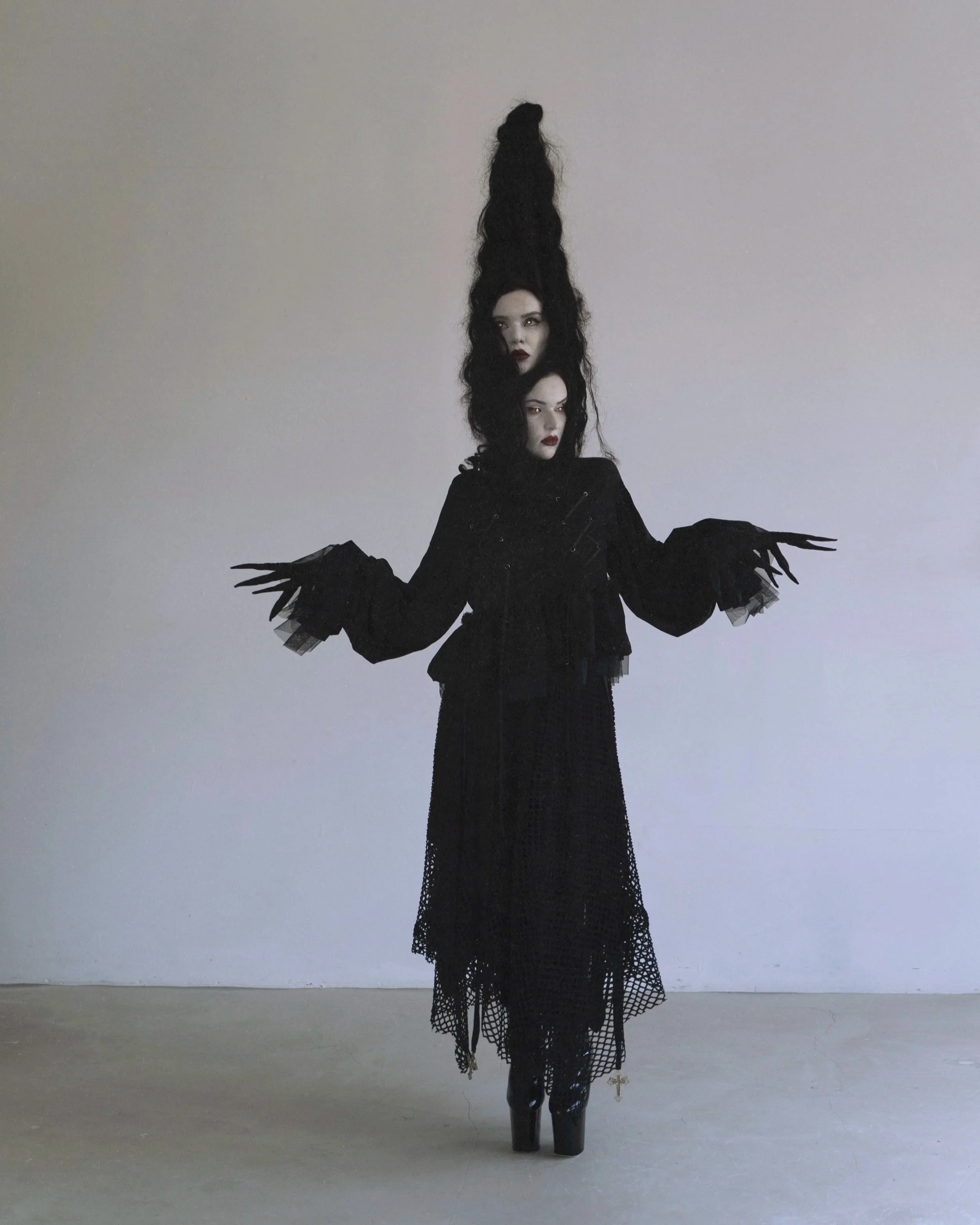
GATA: Your visual universe often feels dark yet liberating. What draws you to shadows rather than light?
NAYA: I think I feel the calmest in the shadows. It’s similar to my love for black, not because I don’t see the beauty in bright colors, but because that’s where I feel the most free. At the same time, I do like color and bold visuals, and I genuinely admire how other artists work with light and brighter imagery. I can use those elements in my own work too. But in the process, I almost always find myself shifting everything toward something darker, like I’m rebuilding the image in a different language. Because it’s in the shadows that I feel a sense of inner space, a place where I can be honest, without simplifying or adjusting myself. So it’s not a rejection of light. It’s more about where I truly feel at ease.
GATA: Have you ever created an image that felt too personal to share?
NAYA: Yes, of course, they’re all stored in my archive. Maybe someday I’ll gather the courage to show a few of them. Or maybe not. In my work, there are different sides of me: the part that’s the artist and the part that’s just a person living life. I’ve always been a more private person. I can’t say I won’t change over time; perhaps one day I’ll become more open to the audience.
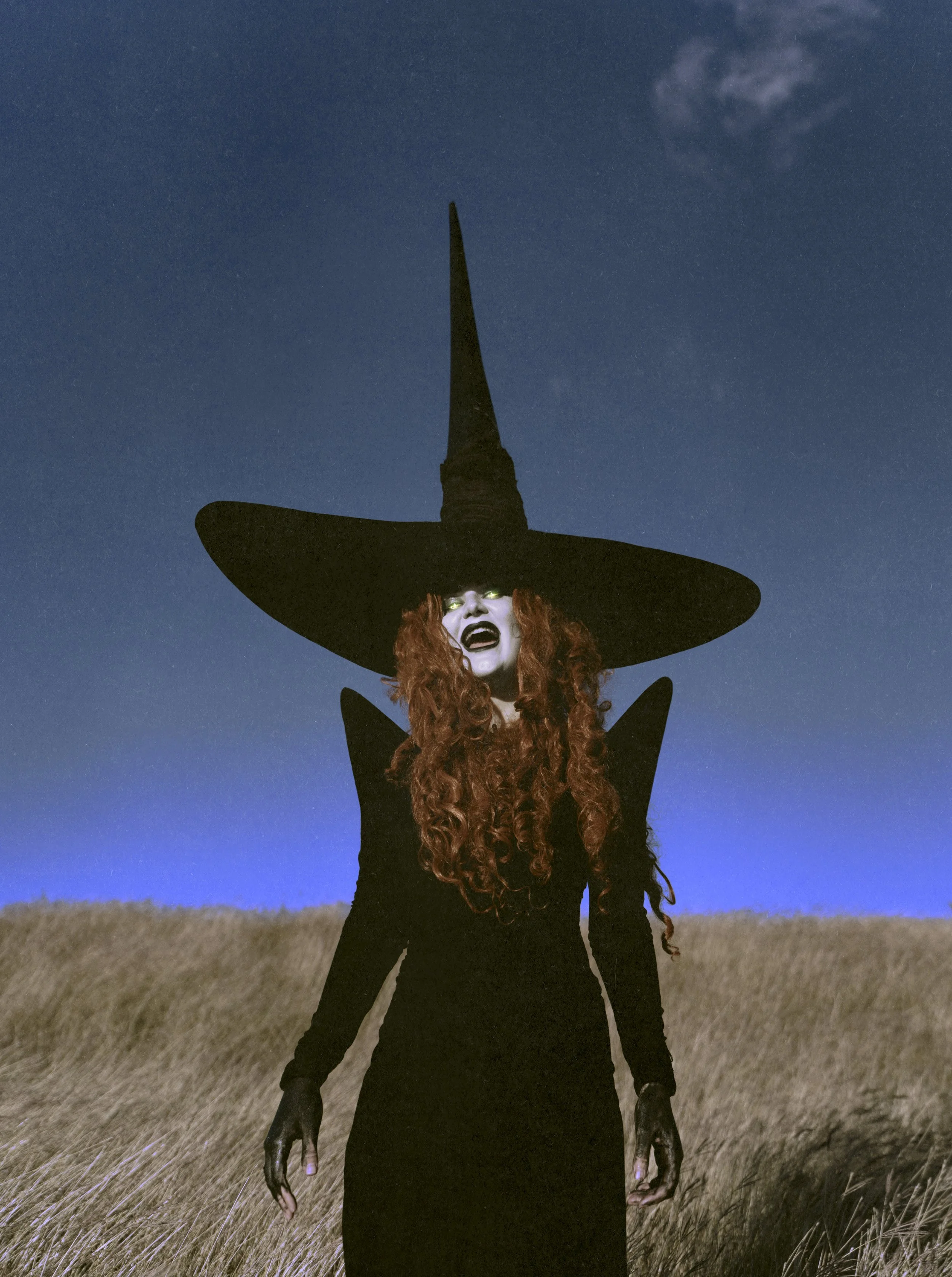
GATA: Do you like witches in photography, or is it also part of your daily life? (I hope you tell me you're a witch…)
NAYA: Sometimes people shout after me that I look like a witch. So yes, I am a witch! Of course, this aesthetic is much stronger in my photographs than in everyday life, but maybe that’s exactly where the magic lies: somewhere between the image and reality, between a joke and a secret.
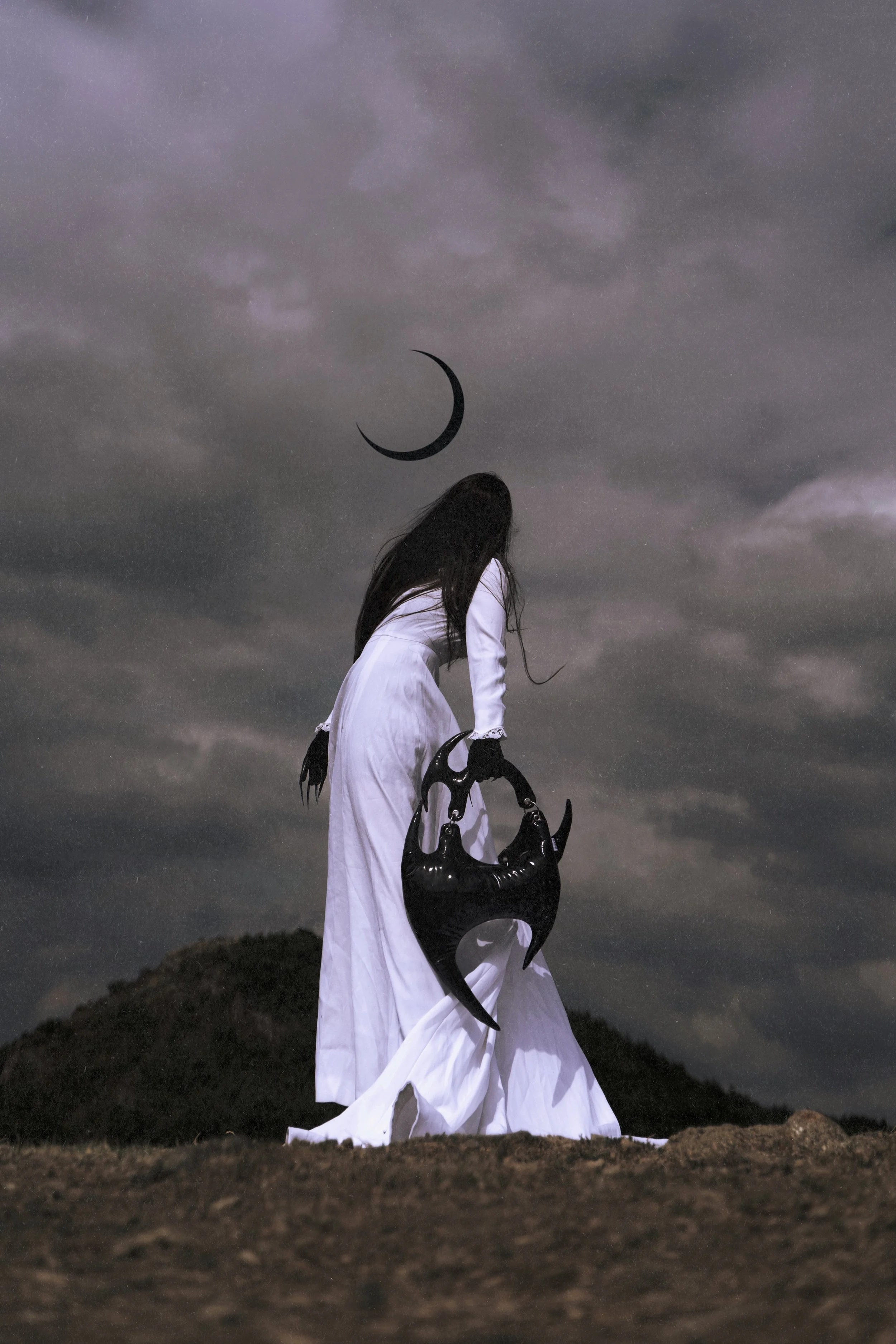
“Calm, serene images are beautiful, but they easily fade from memory. What slightly scares or unsettles us tends to stay longer.”
GATA: What do you look for in a muse?
NAYA: I’m looking for freedom! A muse for me is someone who embodies both darkness and beauty at the same time, with whom I can create mystical stories, like frames from another world. She inspires play, experimentation, and turns every image into a little bit of magic.
GATA: Do you see photography as a form of power?
NAYA: For me, photography is the power of the moment. In a world of technology and artificial intelligence, the true strength of a photograph lies in capturing the fleeting and unique: a moment of life, a memory, an instant of youth that slips away. Photography is also an artist’s tool: a way to create images, express emotions, and turn the ephemeral into reality. It allows us to shift attention and reveal what might otherwise go unnoticed. For me, photography is a quiet, intimate power: the power of the moment, the power of perception, and the power of artistic expression.
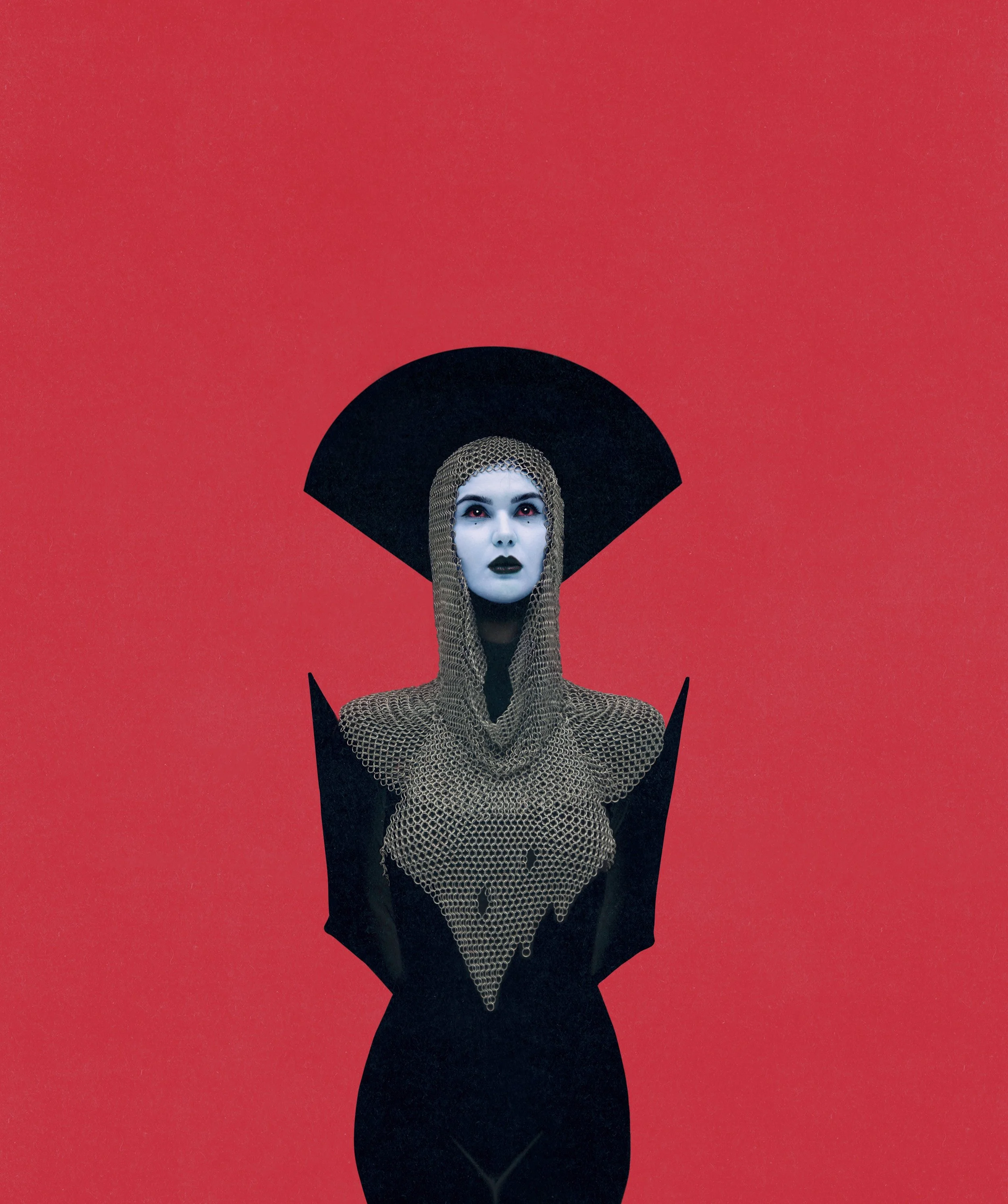
GATA: How do you choose the people you collaborate with?
NAYA: I choose people who are open to experimentation. Honestly, I don’t have any strict criteria; it’s all based on intuition and how willing someone is to explore ideas and create something new together.
GATA: Is there a part of your story that you are still afraid to tell through your images?
NAYA: Yes, there are personal traumas and experiences that I’m still afraid to express through my work. Not because I don’t want to, but because I haven’t yet found the right form, the right image that can truly convey what’s in my heart. Sometimes you just have to wait for the moment when the language of art is strong enough to tell the truth without compromise.
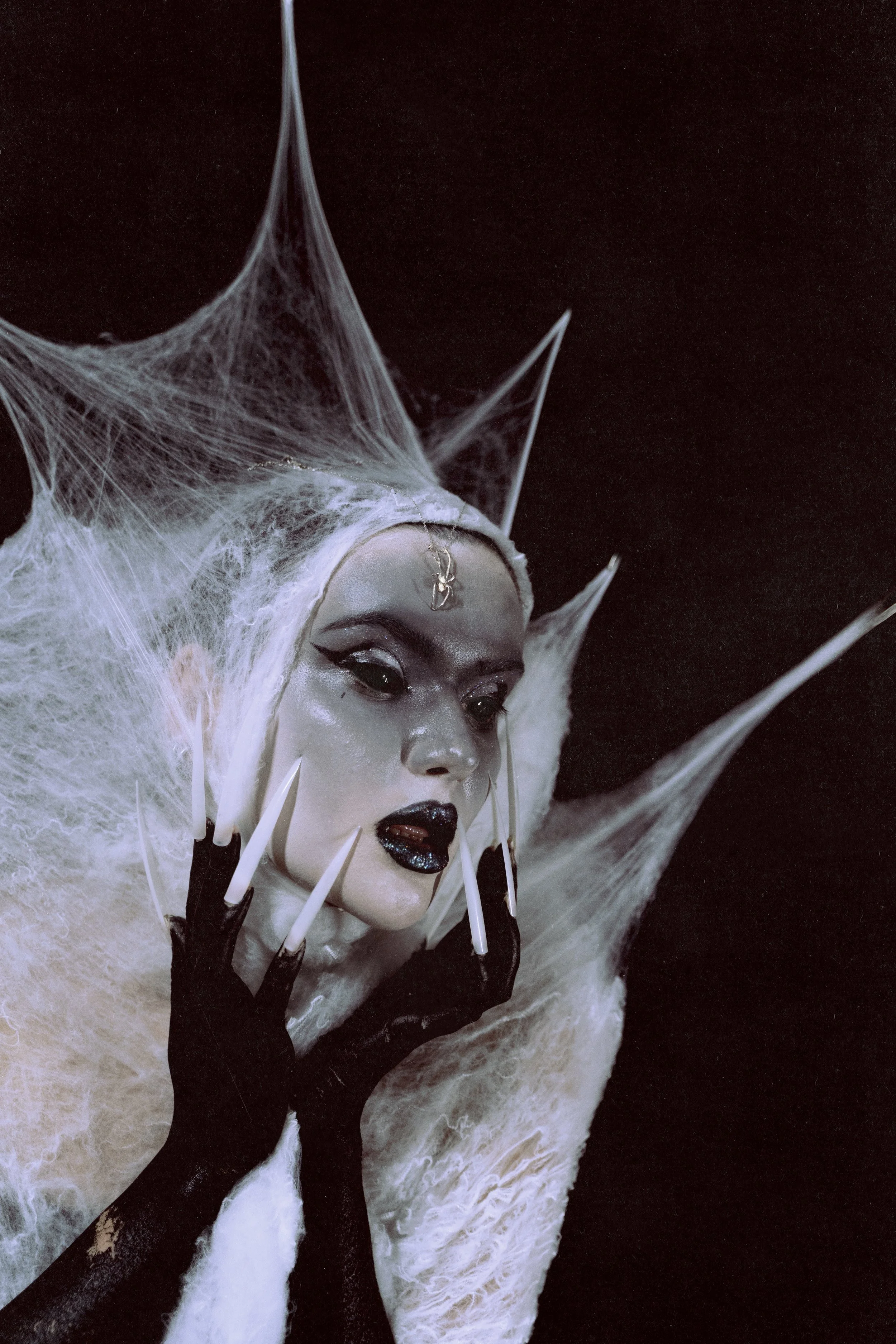
“If I could photograph one feeling, it would be rage.”
GATA: Naya, tell me, are you in love?
NAYA: Yes, I’m in love. My other half is my husband, and he’s always there, supporting me and helping bring my ideas to life. Most of the time, he stays behind the camera: photographing me, helping me climb the highest mountains, and carrying my bulky costumes. Without him, many of my looks simply wouldn’t be possible; he’s my constant companion in these little adventures.
GATA: If your work had a soundtrack, what three songs would never be missing?
NAYA: If my photographs had a soundtrack, the first song would definitely be Type O Negative – Black No. 1, then BUCK-TICK – Dress, and let’s add Bauhaus – She’s In Parties.
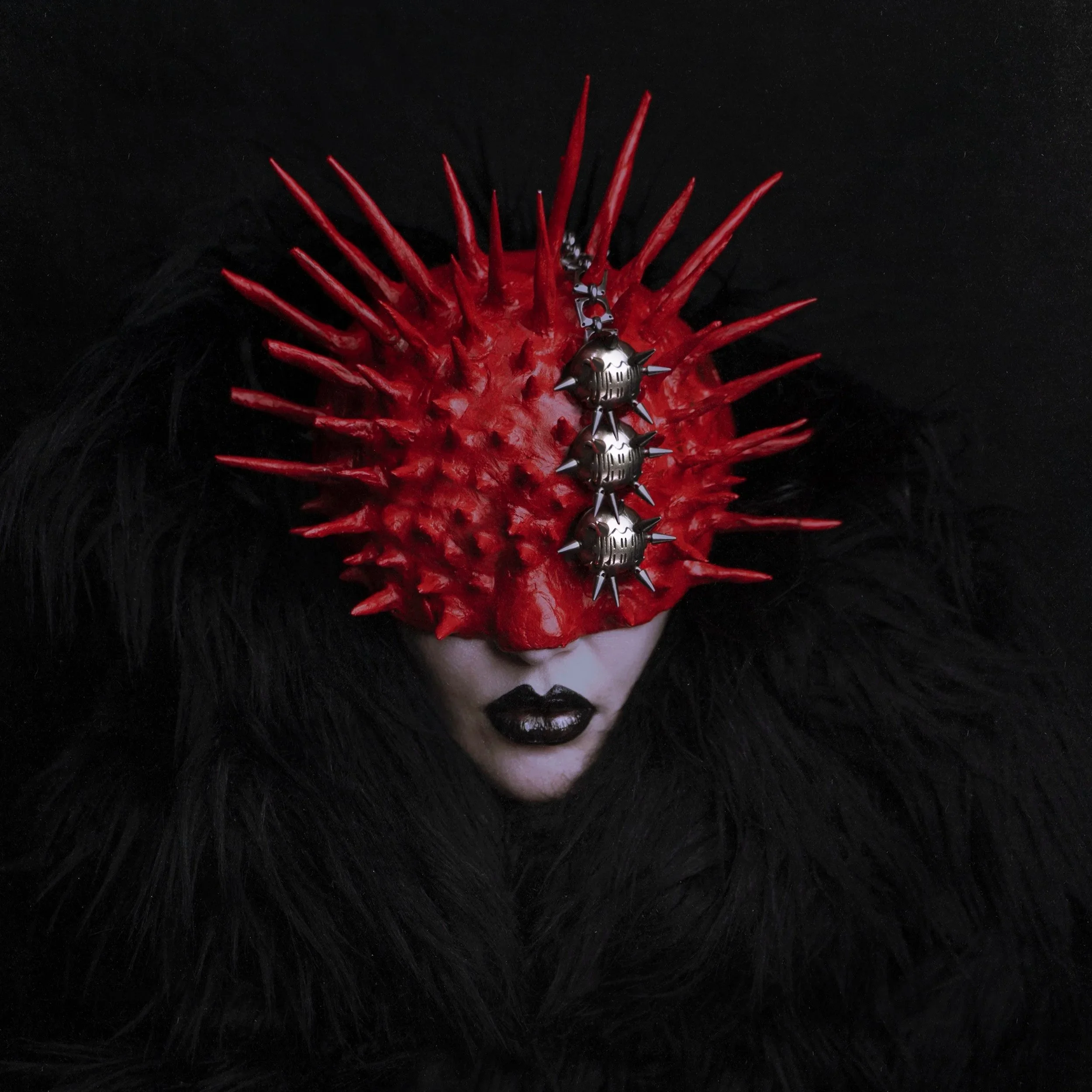
GATA: Do you think your heart has shaped your visual style more than your eyes ever did?
NAYA: Yes, I believe the heart definitely plays the bigger role. My inner, imagined world often moves ahead of what my eyes see, shaping the mood, atmosphere, and the images themselves. The eyes capture details, light, and form, but the heart guides me toward what really matters: what emotion to convey, what shade of feeling to choose. I would say my visual style is a dialogue between heart and eyes, but the heart often leads, while the eyes follow, translating those feelings into form, color, and composition.
GATA: Do you believe beauty needs to be unsettling to be memorable?
NAYA: Yes, I believe beauty should be unsettling. At least, that’s what I personally prefer. Calm, serene images are beautiful, but they easily fade from memory. What slightly scares or unsettles us tends to stay longer. Tension, strangeness, the unexpected; all of this makes an image alive and unforgettable. I think people remember most vividly what challenges them, what disrupts the familiar. It’s this combination of beauty and subtle unease that makes a visual world truly engaging and real.
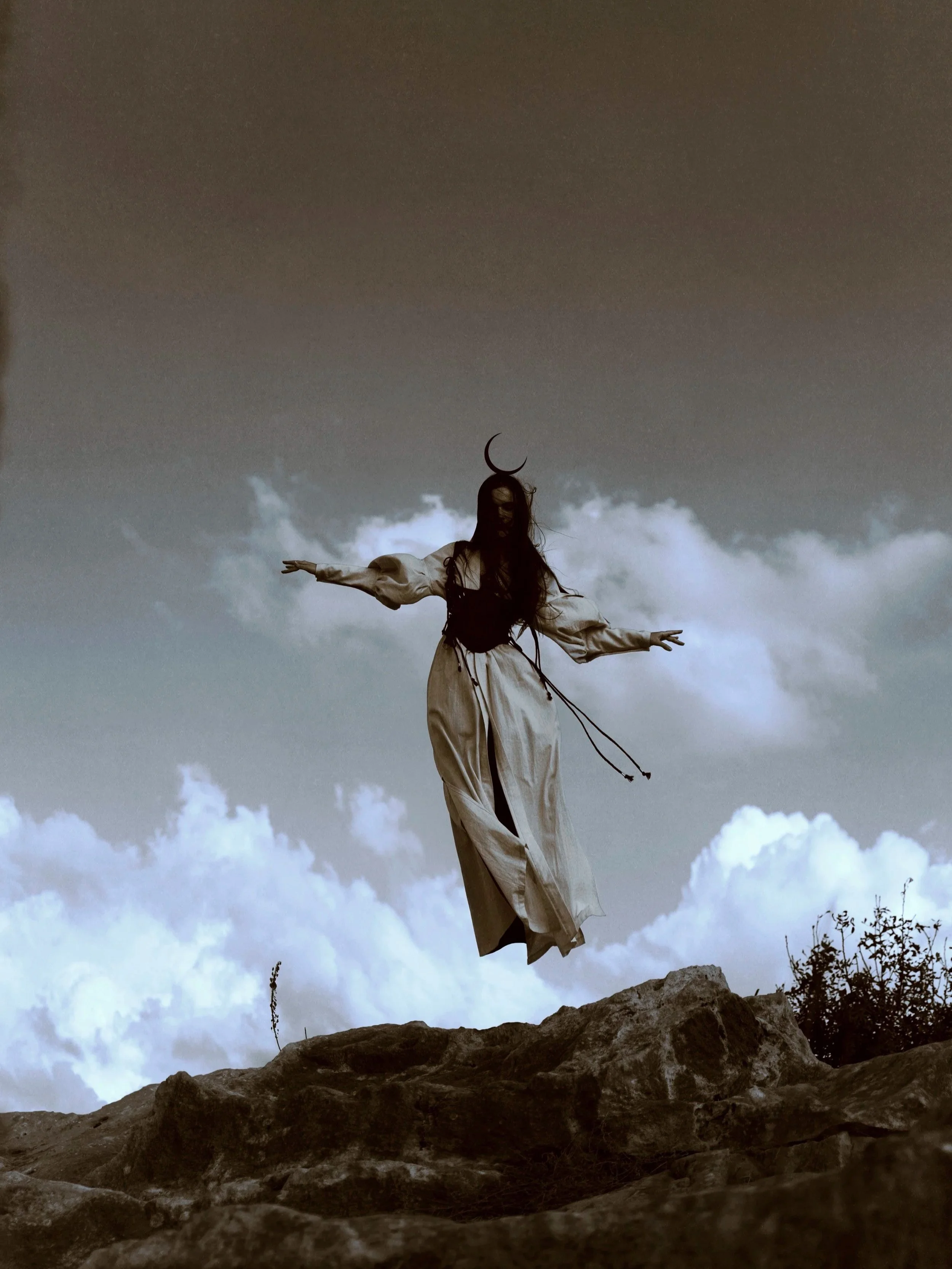
GATA: If you could photograph a single emotion, which one would it be?
NAYA: If I could photograph one feeling, it would be rage. Lately, watching what’s happening in the world, it comes over me strongly. But for me, rage isn’t only negative, it’s always followed by relief and the strength to move forward.
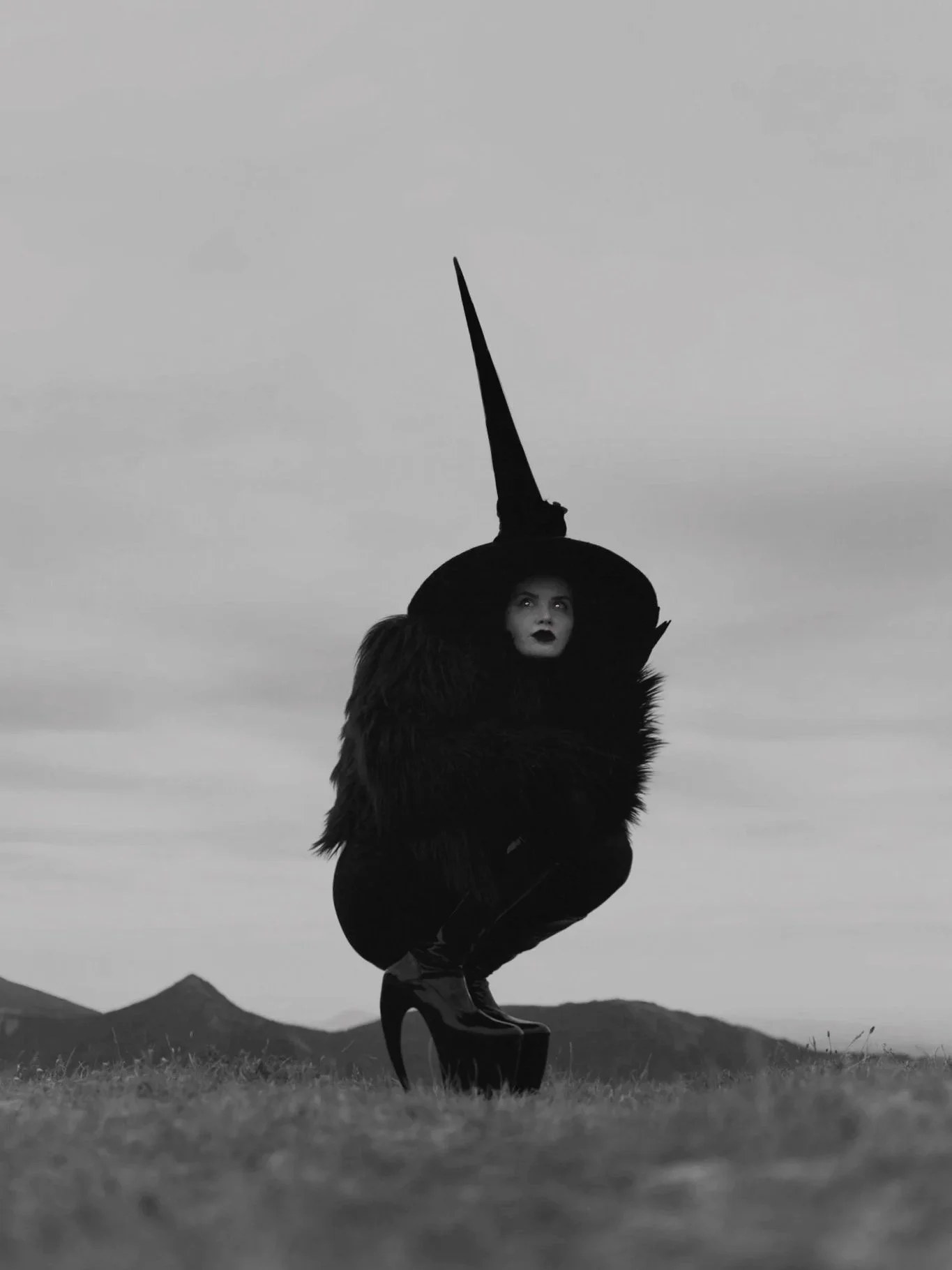
GATA: What is your relationship with control during a shoot? Do you plan everything or leave space for chaos?
NAYA: I always plan my shoots, but most of the time, a little chaos happens. I almost always shoot outdoors, in elaborate costumes and unusual locations, and without improvisation and a bit of chaos, it just wouldn’t work. Sometimes it’s these unpredictable moments that make the image feel alive and real.
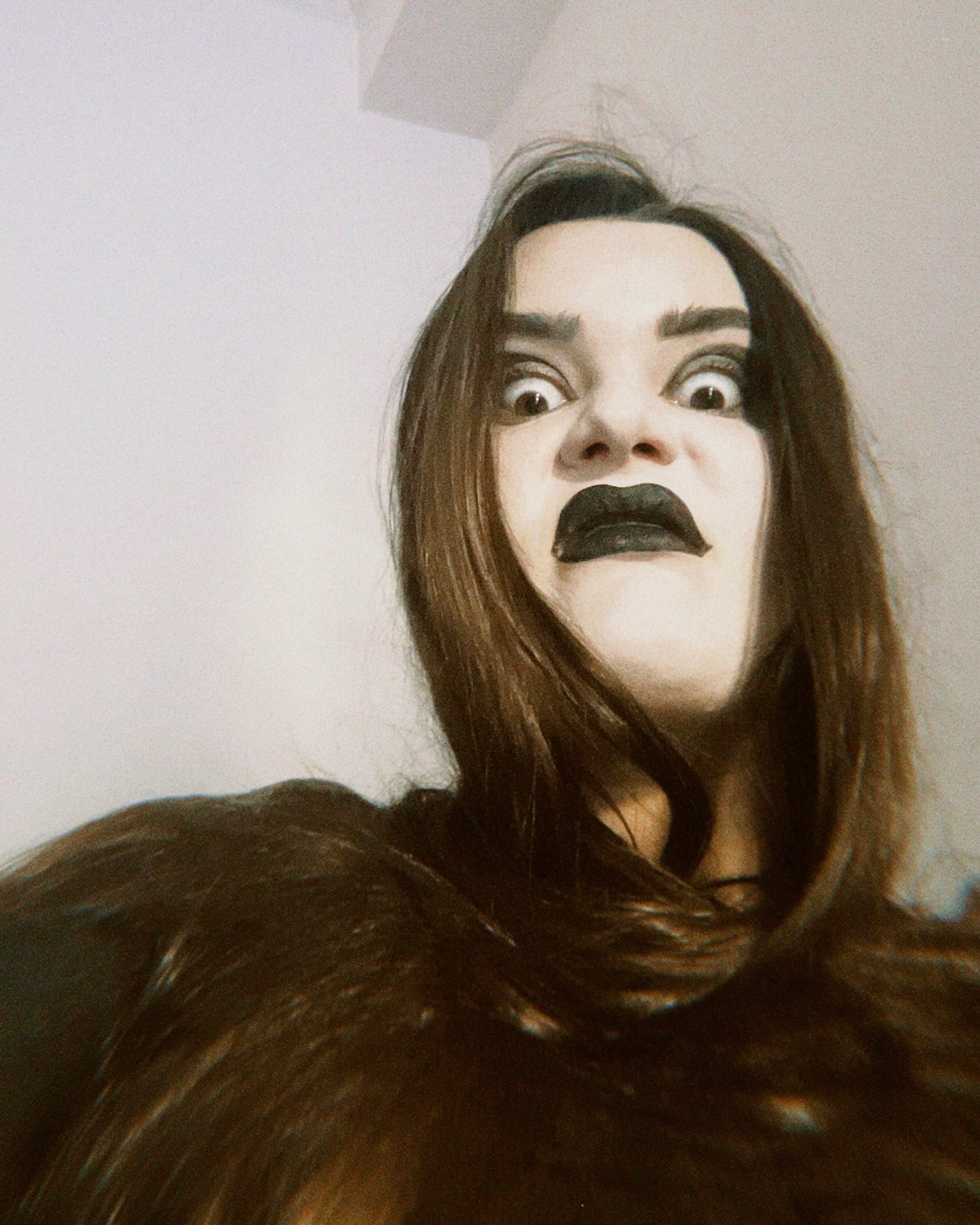
GATA: As a final spell, would you gift us an unseen image or even a raw, unfiltered selfie? Something that feels secret and personal, exclusive.
NAYA: I’ll gift you my best selfie. I have a strange relationship with photography. I both love it and don’t at the same time. I love creating images, but I don’t always like being in the frame. I want to show my work, but not always myself. Maybe that’s my constant inner contradiction.
INTERVIEW BY: CLARISSA VICTORIA
PHOTOS: NAYA KOTKOS