
A GUIDE TO WOMEN WHO RUIN THE MOOD

LADY SNOWBLOOD (1973)
There are many ways to lift the mood, some so subtle you hardly notice them at all. Women are taught early how to regulate the emotional atmosphere around them: to smooth over tension, reassure others, soften conflict, and make themselves pleasant to be around. They practice shrinking themselves to become more palatable - constantly straddling perceptions of “too much” and “not enough”.
A Guide to Women Who Ruin the Mood is a GATA ode to girls from the big screen who fail femininity “correctly.” This list is dedicated to the women who refuse to align with society’s standards. The ones who leave a lingering aftertaste of bitterness long after they are gone.
3 Women (Robert Altman, 1977)
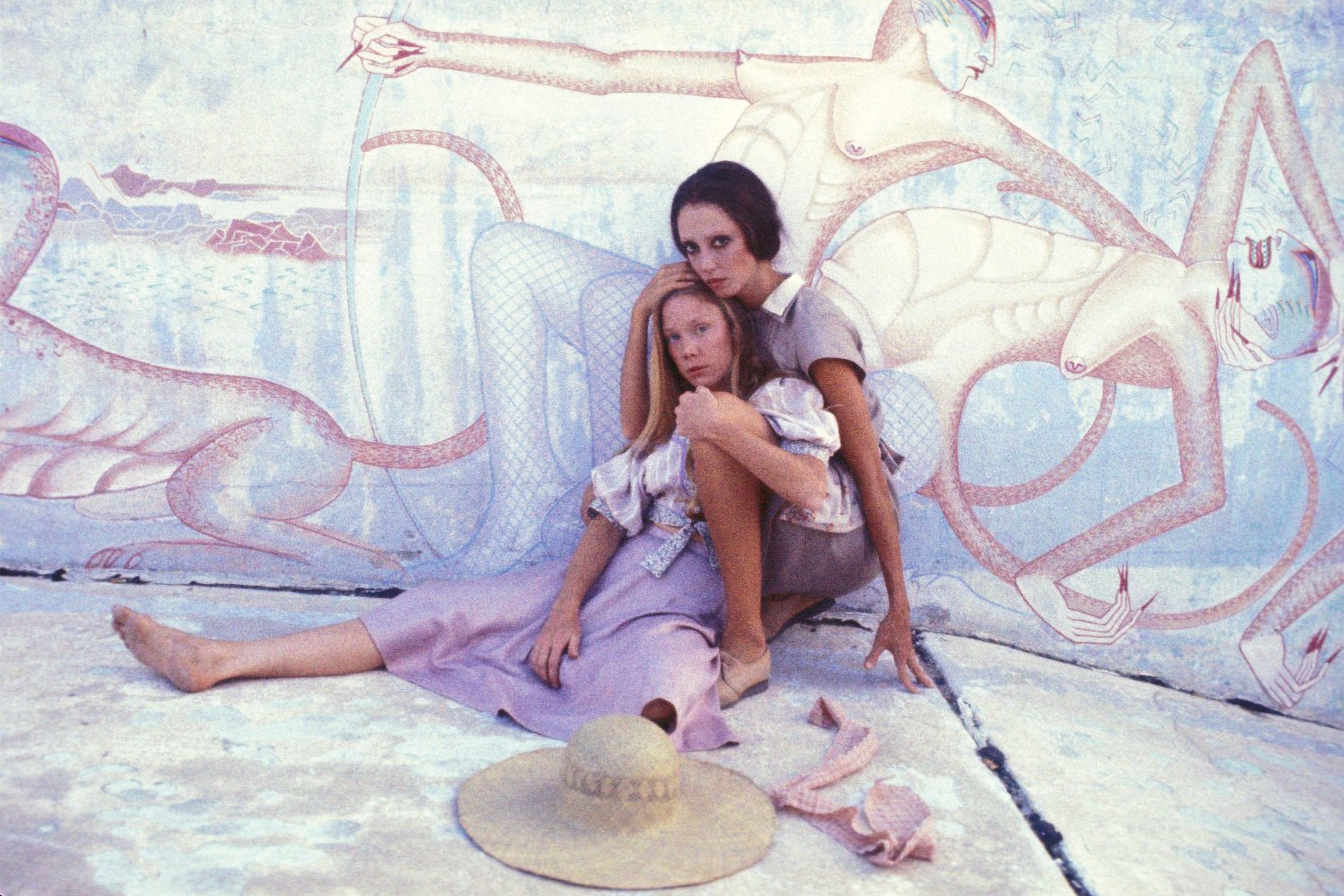
3 WOMEN (1977)
Three women drift in and out of each other's identities, performing versions of femininity they believe will make them whole. But rather than building harmony, their attempts spark a mounting sense of unease. It shows how exhausting and unstable femininity becomes, when it is treated as something that has to be constantly performed.
Hausu (Nobuhiko Ōbayashi, 1977)
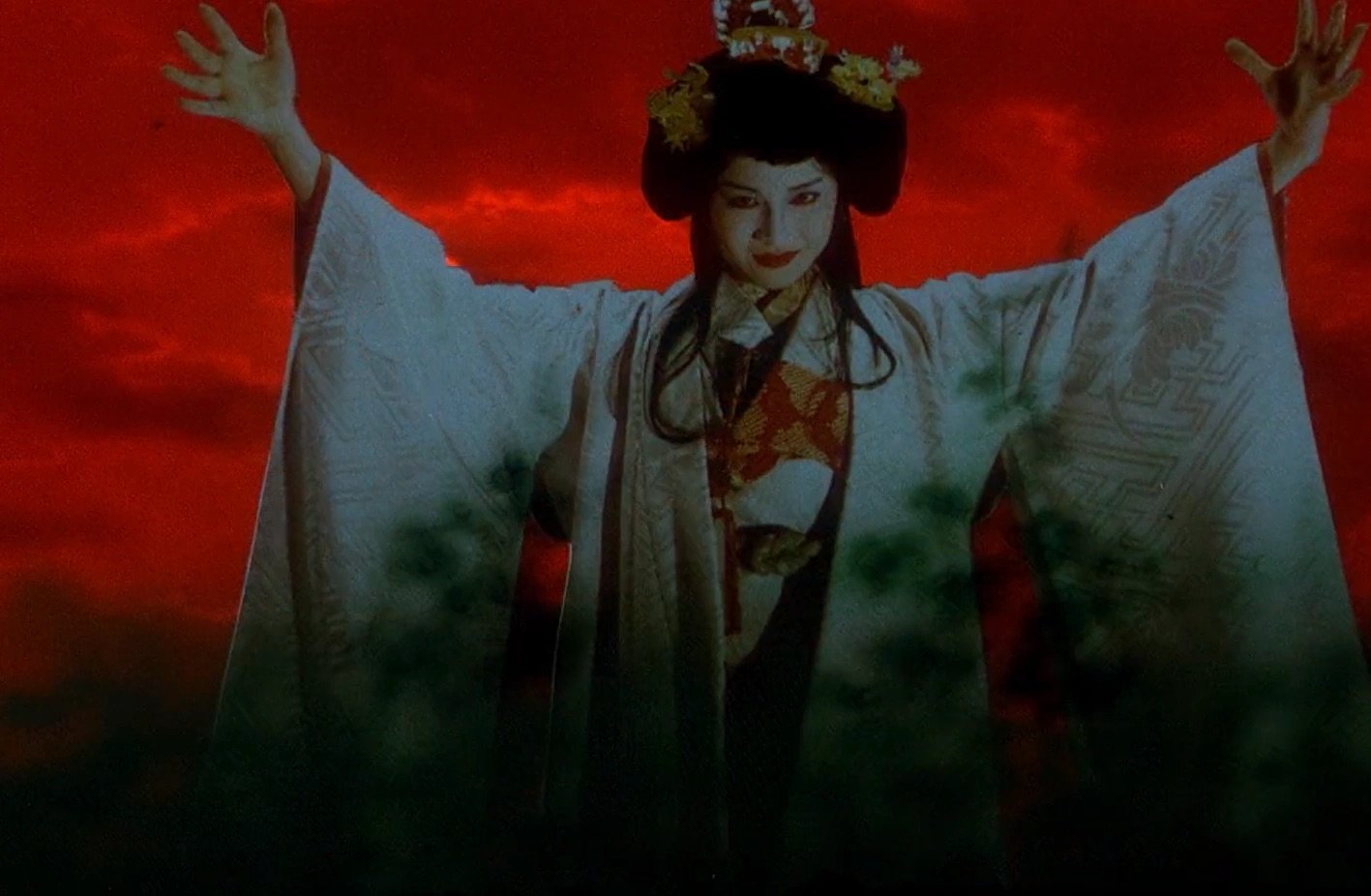
HAUSU (1977)
Vacationing with your classmates at your aunt’s beautiful traditional home sounds like a dream. Naturally, you would expect your dear aunt to display a sense of hospitality and overjoy to welcome her niece and her friends. But instead, it turns out she couldn’t care less.
Cléo from 5 to 7 (Agnes Varda, 1962)
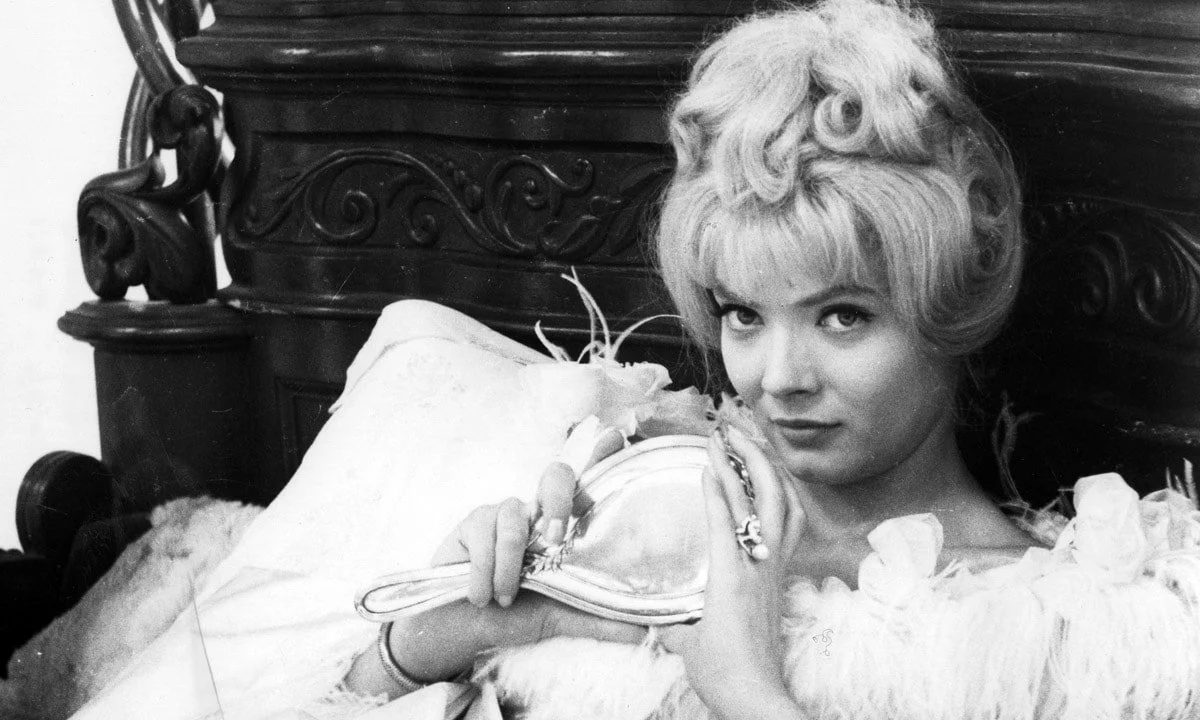
CLÉO FROM 5 TO 7 (1962)
Cléo spends most of the film being looked at. Men look at her, strangers look at her, even she looks at herself. As the hours pass, she slowly loses interest in being an image.
Martha (Rainer Werner Fassbinder, 1974)

MARTHA (1974)
Martha is an independent single woman. She works hard, holds strong opinions, and stands up for her values and ideals. But after entering marriage, she becomes increasingly determined to be the “perfect” wife. Underneath the combined weight of her husband`s manipulation and society`s expectations, her personality and independence begin to crack, turning her marriage into a suffocating psychological trap.
Magdalena Viraga (Nina Menkes, 1987)
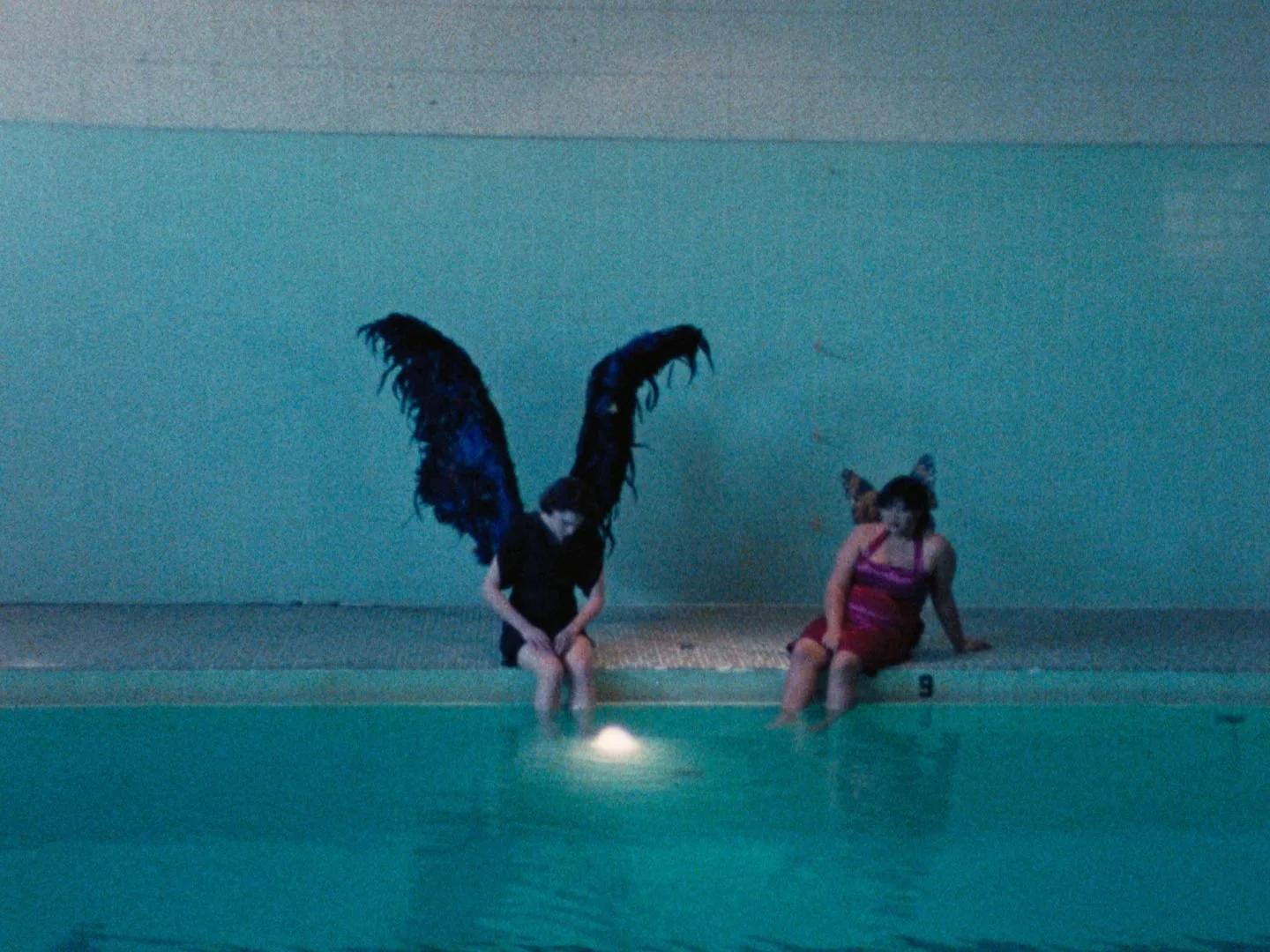
MAGDALENA VIRAGA (1987)
Accused of murder and facing prison, Ida drifts from scene to scene in a state of emotional numbness. The threat of confinement feels almost secondary to the struggle she already faces as a woman and sex worker in a patriarchal, deeply exploiting society.
The Doom Generation (Gregg Araki, 1995)

THE DOOM GENERATION (1995)
A young woman, Amy, wanders through the film drifting from boredom to violence and sex with changing partners. Everyone around her is desperate to possess something: love, meaning, each other. Exhausted by the endless charade, she moves through the wreckage with indifference.
Lady Snowblood (Toshiya Fujita, 1973)
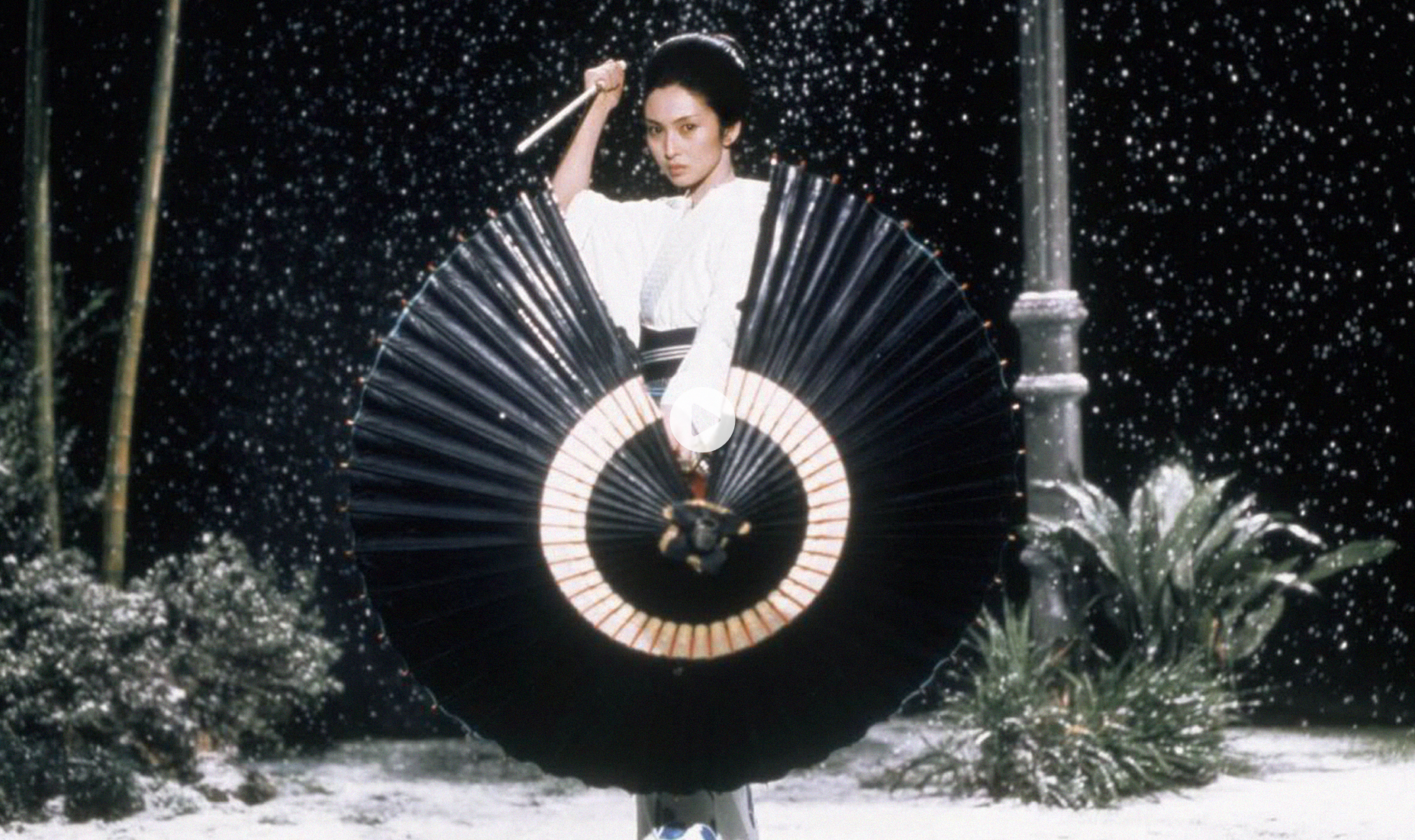
LADY SNOWBLOOD (1973)
Yuki was born for one bloody purpose: revenge. Throughout the length of the film, she tracks down the people responsible for her family's suffering- and kills them one by one.
Fruit of Paradise (Věra Chytilová, 1970)
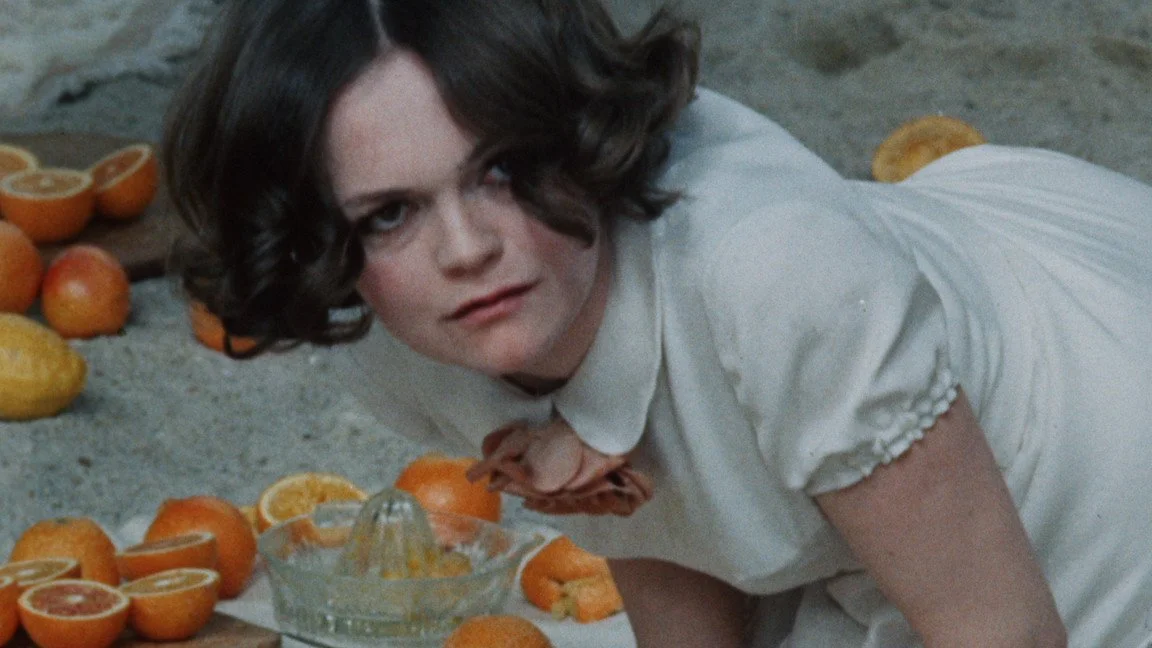
FRUIT OF PARADISE (1970)
The eternal scapegoat. Eva keeps following things she probably shouldn’t. Driven by pure curiosity, she is immediately blamed for simply asking the wrong questions.
Misery (Rob Reiner, 1990)

MISERY (1990)
At first blush, Annie Wilkes seems like the ideal caretaker insisting that everything she does comes from a place of love. But there is something deeply unsettling about the way she performs care and affection. As it turns out nothing is for free and gratitude and emotional reassurance are demanded in return.
Cries and Whispers (Ingmar Bergman, 1972)
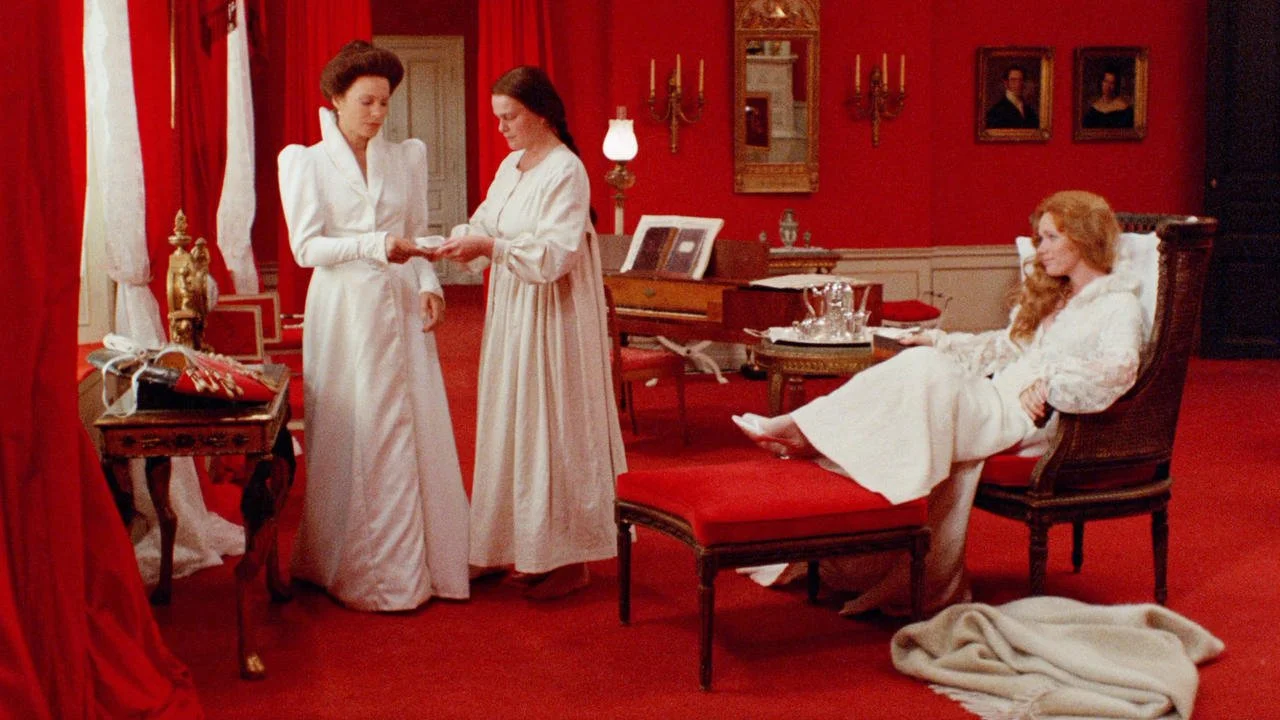
CRIES AND WHISPERS (1972)
Maria’s and Karin’s sister is dying and neither woman can seem to behave as expected in such a scenario. Maria hides behind charm and flirtation, Karin seems almost incapable of giving or receiving affection. They constantly fail to meet the expectations of warmth, care and sisterly devotion.
Opening Night (John Cassavetes, 1977)
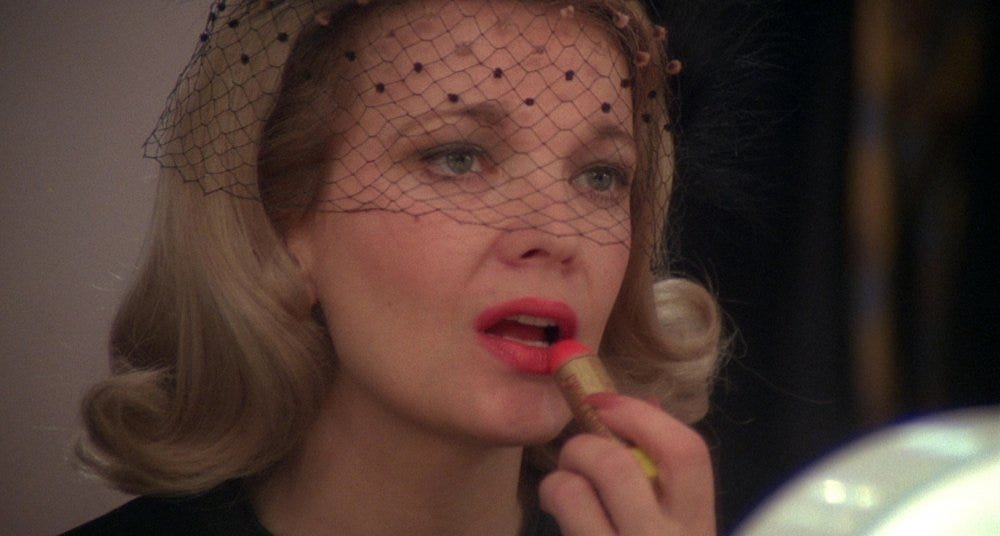
OPENING NIGHT (1977)
“You’re not a woman to me anymore,” he says. “You’re a professional.”
Cast in a play called The Second Woman, Myrtle Gordon finds herself trapped inside other people's ideas of aging. She feels the role does not suit her, causing dissatisfaction to seep into her work on the stage.
The Housemaid (Kim Ki-young, 1960)
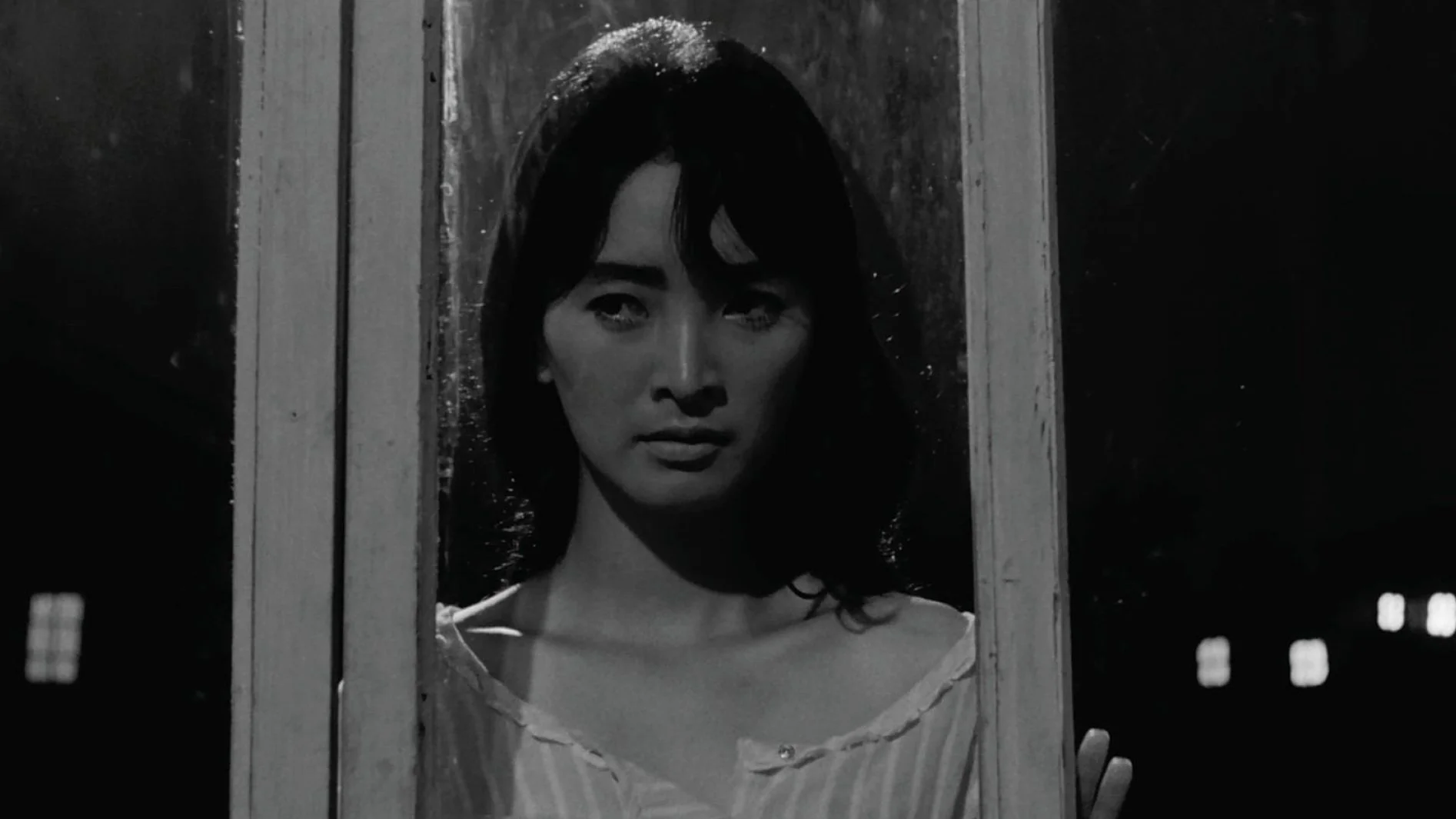
THE HOUSEMAID (1960)
Myung-Sook enters a happy family’s residence as a maid and immediately becomes their worst nightmare. Refusing obedience and invisibility, she turns their respectable home into a stage where every hidden desire and hypocrisy comes to light.
Valerie and Her Week of Wonders (Jaromil Jireš, 1970)

VALERIE AND HER WEEK OF WONDERS (1970)
Valerie’s grandmother knows how to look and behave as an elderly woman should, but she is unwilling to accept the role society has imposed on her. To reclaim her youth and desirability, she makes a deal with the devil.
Cat People (Jacques Tourneur, 1942)
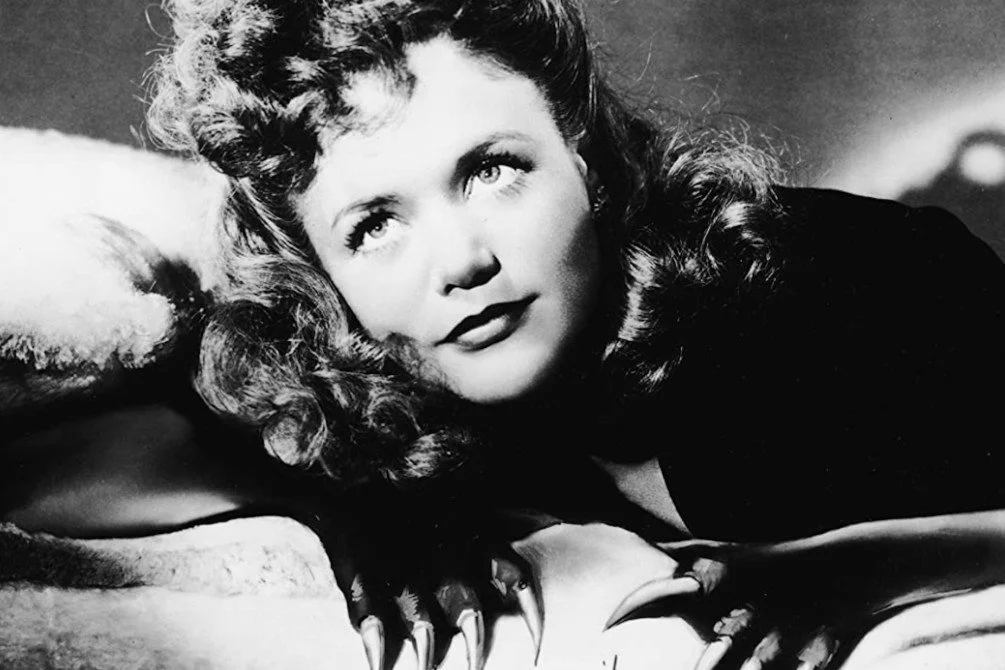
CAT PEOPLE (1942)
Newly married, Irena is expected to settle comfortably into domestic life. Instead, she becomes consumed by fears no one around her takes seriously. The more desperately others try to define her, the more she slips beyond their reach.
Daisies (Věra Chytilová, 1966)
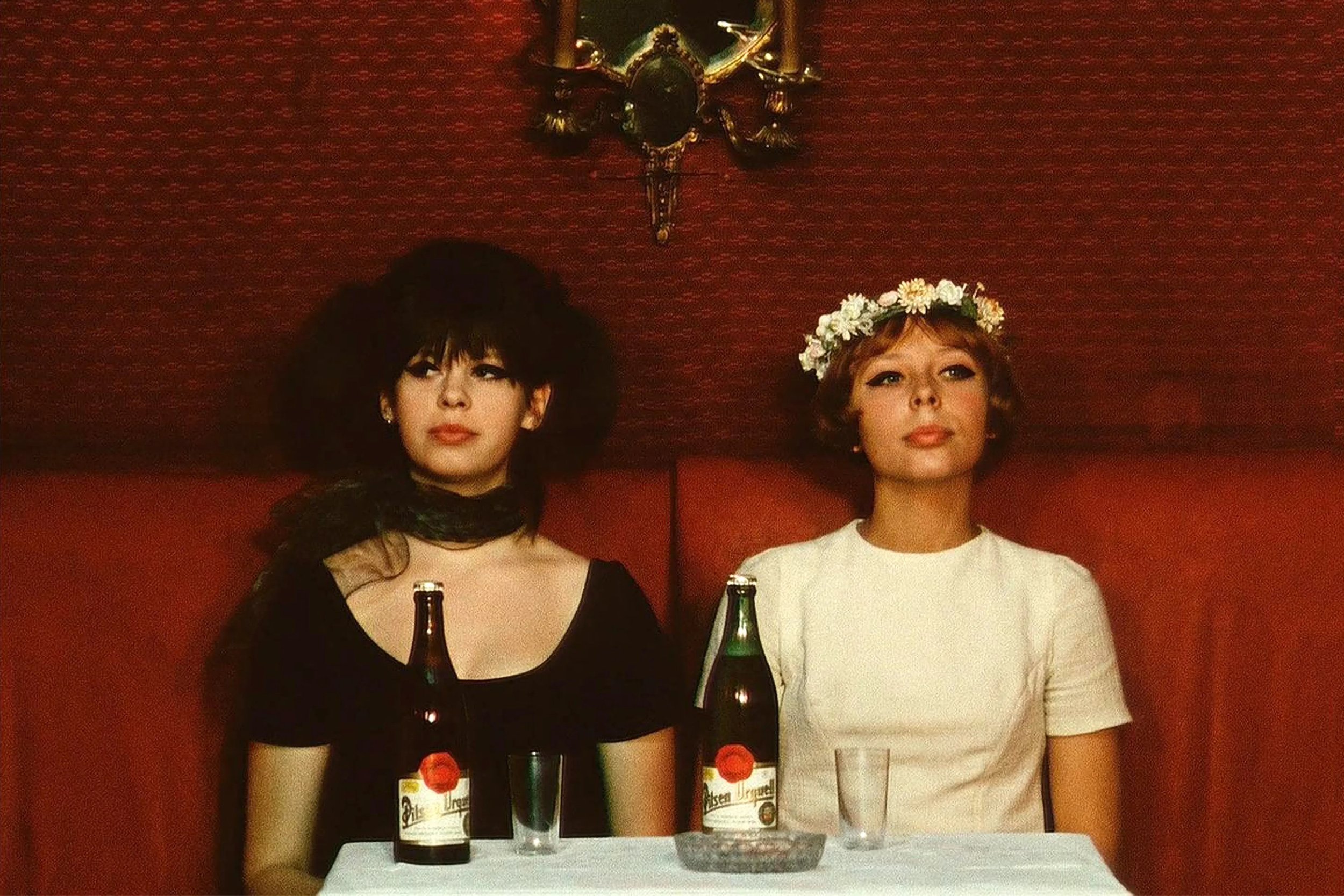
DAISIES (1966)
“Daisies” is about two girls who decide that if the world is rotten, they might as well be rotten too. They flirt, they lie, they manipulate men, destroy everything around them, and laugh loudly through it all. They refuse to be likable - dissolving feminine charm into utter chaos.
Kuroneko (Shindō Kaneto, 1968)
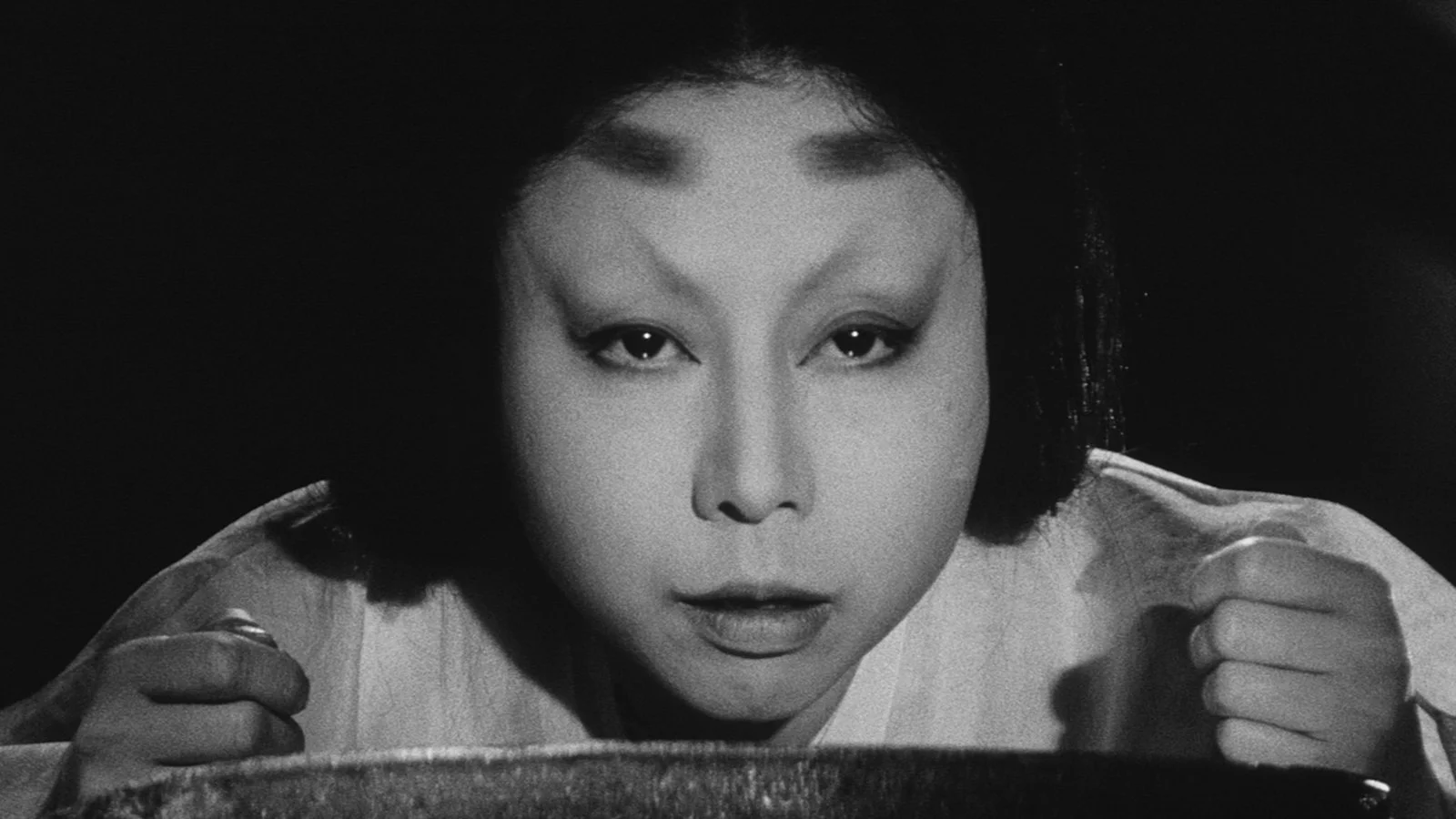
KURONEKO (1968)
Shige and her mother-in-law move through the world with all the grace and warmth women are taught to embody. Welcome strangers into their home, speaking softly and offering shelter. As the film goes on, we see just how dangerous unspoken expectations can become.
Three Colours: Blue (Krzysztof Kieślowski, 1993)

THREE COLOURS: BLUE (1993)
“Why are you crying? Because you're not.”
Experiencing perhaps the worst kind of loss imaginable, Julie withdraws almost completely from the world around her after the death of her husband and child. She avoids openly grieving and keeps others at a distance, trying to cut herself off from attachment altogether.
Persona (Ingmar Bergman, 1966)
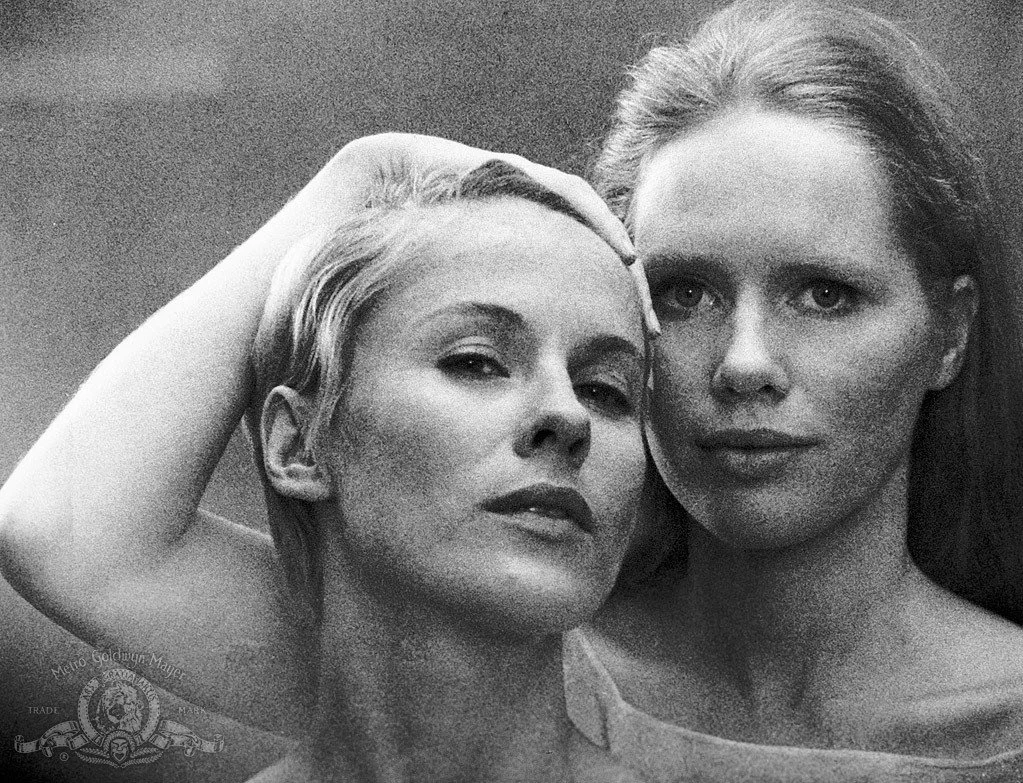
PERSONA (1966)
Two completely different women are portrayed in this iconic film. One woman withdraws from language entirely. The other fills every silence she can find. Neither behaves quite “like a woman should”.
Szamanka (Andrzej Żuławski, 1996)

SZAMANKA (1996)
After beginning an affair with an anthropology professor, a young woman becomes the centre of his obsession. He tries to turn her into something meaningful and understandable, but she refuses to fit any image.
Text by Sonja Schmid